An Introduction to SCORM


Related Posts :




WHAT IS SCORM?
If you are in the eLearning industry, you must have often heard this word “SCORM”, used by your technical team or developers in the organization. SCORM is an abbreviation for Sharable Content Object Reference Model. It is a set of technical standards for e-learning software products that allows for the creation of reusable learning objects, enables the tracking of learner progress and performance, and facilitates development of content that can be easily updated and modified.
SCORM defines how eLearning content should be packaged and presented to ensure compatibility across different platforms. It is a very useful tool for organisations to create and distribute eLearning content across different systems. Many might even consider it as one of the foundational elements in the field of eLearning.
PARTS OF SCORM
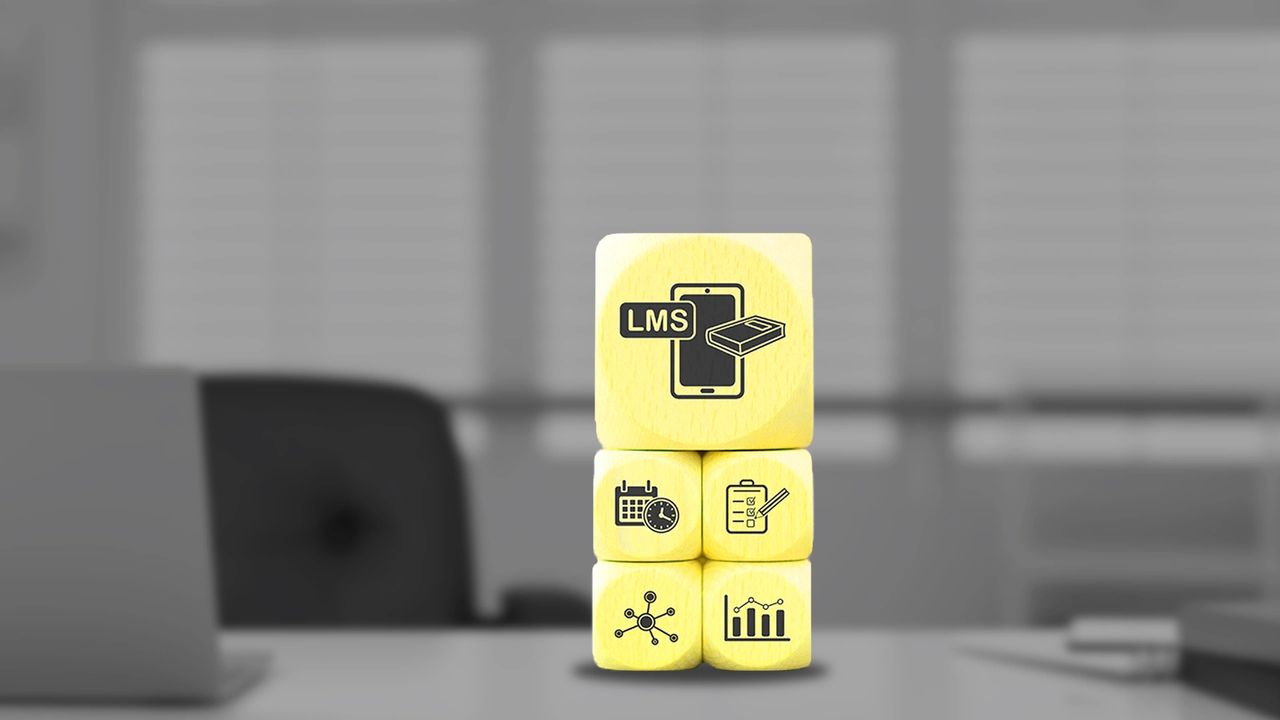
SCORM includes three parts: Design, Packaging, and Communication.
- Design refers to how a course is structured and sequenced.
- Packaging involves bundling course materials in a way that the LMS can understand.
- Communication ensures that the course and LMS can work together.
THE UPSIDE
SCORM offers a multitude of advantages, the most important being compatibility with a range of learning management systems (LMSs). Apart from technological convenience, this allows organizations to save time and money on training and development initiatives.
SCORM also enables the creation of reusable learning objects (RLOs) – developed pieces of content that can be reused in multiple courses or programs – again contributing to time and cost efficiency.
It is easier to update and modify SCORM-compliant content helping to keep learning programs relevant and ensuring that learners are meeting their learning objectives.
SCORM-complaint courses can communicate with a learning management system to record important data such as time spent on the course and assessment scores, allowing for easy tracking and reporting of learner progress.
THE FLIPSIDE
SCORM compliance involves significant time and cost investment. SCORM-compliant authoring tools are expensive and involve a considerable learning curve.
Not all authoring tools are SCORM-compliant. Also, SCORM compliance does not assure a smooth functional performance of the compliant content.
The advent of mobile learning and its widening use poses a challenge to the SCORM set of standards. Modern forms of learning like mobile-based or app-based learning are not compliant with SCORM.
CLOSING
Following SCORM guidelines is important to create SCORM-compliant eLearning content, but there are many authoring tools available that make it easy to do so. SCORM has made eLearning content accessible and easy to use makes it an inseparable part of the process.
While it remains to be seen is how SCORM takes on the challenge of new-age learning, SCORM continues to be the ruling norm of the eLearning industry.