SOFT SKILLS TRAINING THAT BUILDS OBSERVABLE BEHAVIOUR - NOT JUST AWARENESS

The most common objection to soft skills training investment is that the outcomes are too hard to measure. It is also the most avoidable objection – because the problem is not that soft skills are unmeasurable. The problem is that most soft skills training is designed around traits (“build resilience”, “improve communication”) rather than specific, observable workplace behaviours. You cannot measure a trait. You can measure whether someone gives feedback that produces change – and that distinction starts in the instructional design.

Constellar designs soft skills eLearning for global enterprises – built around the specific communication, collaboration, and decision-making situations your employees face every day. Outcomes that are observable and measurable, not abstract and assumed.

Communication Skills
Emotional Intelligence
Team Collaboration
Adaptability & Resilience
Critical Thinking
Active Listening
Conflict Resolution
Virtual Communication
Communication Skills
Emotional Intelligence
Team Collaboration
Adaptability & Resilience
Critical Thinking
Active Listening
Conflict Resolution
Virtual Communication
Communication Skills
Emotional Intelligence
Team Collaboration
Adaptability & Resilience
Critical Thinking
Active Listening
Conflict Resolution
Virtual Communication
Communication Skills
Emotional Intelligence
Team Collaboration
Adaptability & Resilience
Critical Thinking
Active Listening
Conflict Resolution
Virtual Communication
Communication Skills
Emotional Intelligence
Team Collaboration
Adaptability & Resilience
Critical Thinking
Active Listening
Conflict Resolution
Virtual Communication
Communication Skills
Emotional Intelligence
Team Collaboration
Adaptability & Resilience
Critical Thinking
Active Listening
Conflict Resolution
Virtual Communication
Communication Skills
Emotional Intelligence
Team Collaboration
Adaptability & Resilience
Critical Thinking
Active Listening
Conflict Resolution
Virtual Communication
Communication Skills
Emotional Intelligence
Team Collaboration
Adaptability & Resilience
Critical Thinking
Active Listening
Conflict Resolution
Virtual Communication

Training topics we cover - each one designed around specific, practicable behaviours

Soft skills are not one category. Each requires different scenario design, different reflective frameworks, and different formats. We design for the specific capability – not a generic “interpersonal skills” module.

Communication Skills Training

Clear, confident, and persuasive communication across written, verbal, and virtual formats - built around the specific meetings, emails, and interactions your employees need to handle well.

Emotional Intelligence (EQ) Training

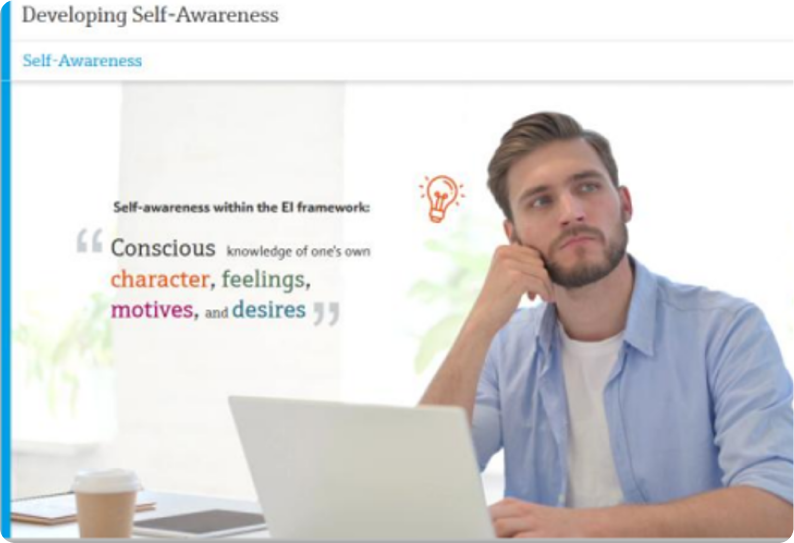
Self-awareness, empathy, and relationship management skills that improve collaboration, leadership readiness, and the kind of team dynamics that retain good people.

Team Collaboration & Interpersonal Skills Training

Working effectively with diverse colleagues, navigating differences constructively, and contributing to teams that actually function under pressure - not just in calm conditions.

Adaptability & Resilience Training

The mindsets and tools to embrace change, manage uncertainty, and maintain performance when circumstances shift - designed around your organisation's actual change context, not generic resilience advice.

Critical Thinking & Problem-Solving Training

Structured approaches to analysing challenges, evaluating options, and making sound decisions in complex, ambiguous situations where the right answer requires judgement.

Active Listening & Feedback Skills

The specific micro-skills that underpin almost every other soft skill area - active listening, giving feedback that lands, and receiving feedback without becoming defensive.

Conflict Resolution Training

Practical frameworks and scenario-based practice for navigating workplace disagreements constructively - before they compound into team dysfunction that is expensive to unwind.

Virtual & Hybrid Communication Skills

The specific communication challenges of remote and hybrid work - virtual meeting effectiveness, async communication clarity, and maintaining team cohesion when people aren't in the same room.
Cybersecurity Training Topics

Don’t see your specific need? We design across the full range of soft skills and interpersonal capability – contact us to discuss.

CONTACT US

Why soft skills training is underinvested and why that keeps costing you

The measurability objection and why it is a design problem, not a category problem

Most soft skills training is designed around abstract traits, then measured by self-report surveys. The result is unmeasurable - but that's a design failure, not a category characteristic. Soft skills become measurable when training is designed around specific, observable workplace behaviours from the outset.

Generic scenarios that feel nothing like your workplace

Communication training set in a fictional company with fictional colleagues does not transfer to the real team dynamics, working styles, and interpersonal challenges your employees face. The closer the scenario is to the actual working context, the higher the behaviour transfer.

Low EQ and poor communication compound - quietly, then expensively

Miscommunication, low emotional intelligence, and poor feedback practices don't announce themselves. They compound gradually into team dysfunction, disengagement, and turnover. By the time they're visible, they're expensive to fix.

What soft skills training should actually produce

WHAT GOOD TRAINING PRODUCES

  • Employees communicate more clearly and confidently in meetings, writing, and virtual settings
  • Managers and employees give and receive feedback that is specific and actionable
  • Teams navigate differences in working style and background more constructively
  • Employees maintain performance and composure during organisational change
  • Soft skills training outcomes are observable through behaviour-based assessment
  • Critical thinking improves in ambiguous, real workplace situations

HOW DO WE DESIGN FOR IT

  • Scenario-based communication training built around your organisation’s actual communication contexts – not generic best-practice examples
  • Feedback conversation scenarios with branching outcomes reflecting realistic workplace dynamics – not idealized conversations
  • Collaboration scenarios addressing the differences that actually cause friction in your teams
  • Resilience scenarios connected to your organisation’s actual change context – not generic stress management content
  • Behavioural assessment design built into the programme from the outset – making outcomes visible, not just felt
  • Structured problem-solving scenarios built around genuine workplace decisions – not artificially clean case studies

How we think about soft skills development - the principles that make outcomes measurable

Soft skills become measurable when you design around observable behaviours – not abstract traits.

You cannot measure “emotional intelligence.” You can measure whether someone listens without interrupting, gives feedback that produces change, or stays composed under scrutiny. We translate every soft skill into specific, observable workplace behaviours before designing any content – which means the measurability objection is answered in the design brief, not after the programme launches.

Soft skills transfer only when scenarios reflect the learner’s actual working context.

“Active listening” as a universal concept produces theoretical understanding. “Active listening in your weekly team stand-up when someone challenges your approach” produces behaviour change. We ground every scenario in your organisation’s specific working situations. Scenario variants across departments are developed at scale – the scenario framing and behavioural accuracy are always senior-led.

Resilience training works when it is connected to something real.

Generic resilience content (“embrace change, manage stress”) rings hollow without context. We design resilience and adaptability training around your organisation’s actual change situation – whether that is a restructure, a system migration, or a market shift. The closer the training is to the real circumstance, the more readily the learning transfers to it.

The formats that build soft skills - not soft skills awareness

Soft skills require practice and reflection – not information delivery. We select formats based on the specific behaviour being developed and the realism required for that behaviour to transfer.

Every success story starts with a trusted partnership.

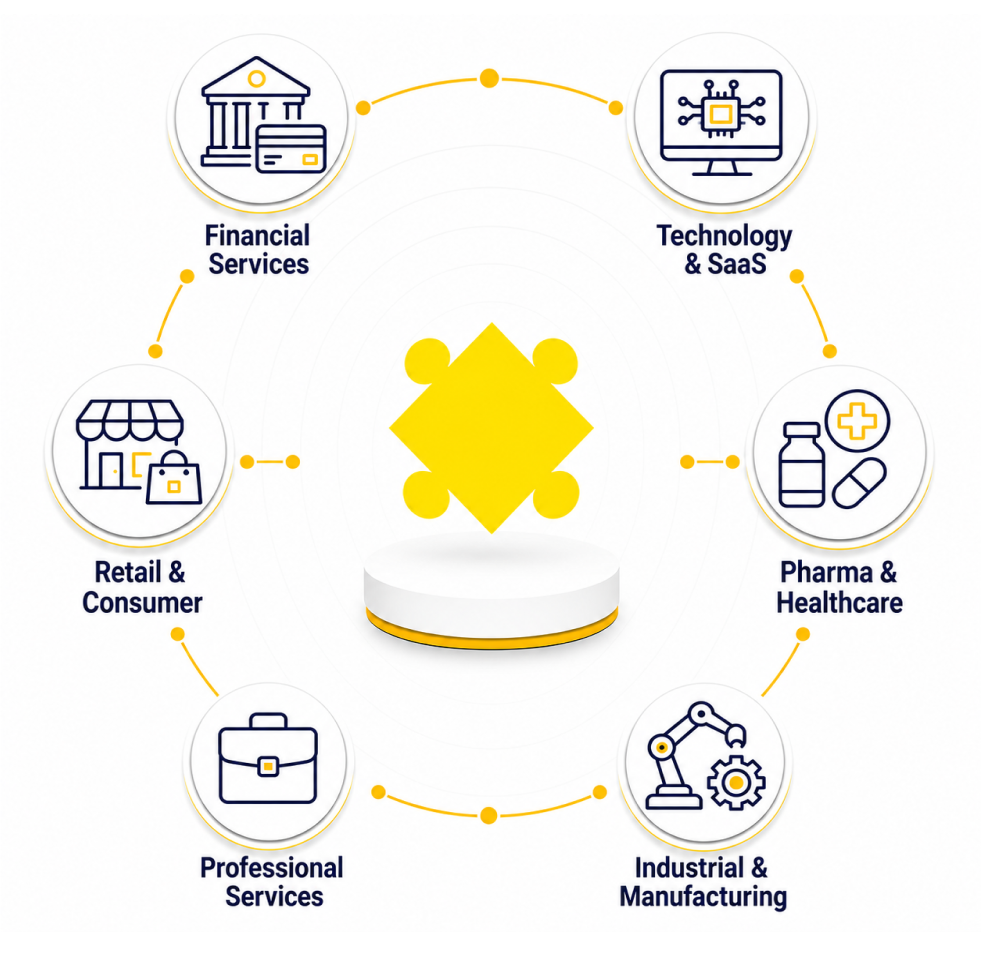
Sales enablement across industries - how the conversation changes by sector

The communication and collaboration challenges of a fast-scaling technology company are not the same as those of a clinical healthcare team or a frontline retail organisation. We design for the specific soft skills challenge your industry and culture create.
Technology

Async communication clarity, cross-functional collaboration, and adaptability in fast-moving, distributed environments where the pace of change creates constant pressure.

Financial Services

Communication and EQ training for high-pressure, client-facing and regulated environments where clarity and composure under scrutiny directly affect client relationships and regulatory outcomes.

Healthcare & Pharma

Communication, empathy, and resilience for clinical and patient-facing teams – the human skills that define both patient experience and team sustainability in high-stress environments.

Industrial & Manufacturing

Team collaboration and communication across hierarchical structures, shift-based teams, and diverse functional backgrounds – the interpersonal skills that make operational cohesion possible.

Professional Services

Client communication, emotional intelligence, and critical thinking for consultants and advisors whose soft skills are inseparable from the service they deliver.

Retail & Hospitality

Communication, resilience, and conflict resolution for frontline teams managing high-volume customer interactions under constant pressure and frequent difficult situations.

RELATED TRAINING TOPICS AND HOW CONSTELLAR BUILDS THEM

Training areas that frequently complement soft skills development:

HOW WE BUILD IT:

Custom eLearning

Scenario-based, behaviour-focused - the primary format for soft skills at scale.

Learning Consulting

For organisation-wide capability building - start with a senior-led Training Needs Analysis to identify priority behaviours.

Frequently asked questions

By designing for observable behaviours from the outset, not abstract traits. We translate every soft skill into specific, visible workplace behaviours before any content is developed - then build assessment around those behaviours. This means outcomes are defined and measurable before the programme launches, not approximated through post-programme self-report surveys.
Yes. Generic communication training set in a fictional organisation does not transfer to your team's actual working dynamics. We ground every scenario in your specific communication contexts - the meeting types, working relationships, and interpersonal challenges your employees face. The closer the scenario is to the real situation, the higher the behaviour transfer.
Yes - and this is significantly more effective than generic resilience content. We design resilience and adaptability training around your organisation's actual change situation: the restructure, the new system, the market shift. Learners engage with content that reflects their real circumstances, which means the coping strategies and mindsets developed are immediately applicable.
AI-assisted tools support the development of scenario variants across departments, roles, and communication contexts - and the personalisation of content based on individual development needs. The behavioural framework, scenario framing, and reflective structure are designed by senior instructional designers. The emotional and contextual judgement involved in soft skills design is not automatable.
A senior instructional designer leads every engagement from discovery through to content sign-off. Soft skills design requires particular experience in behavioural learning design and scenario realism - this is not junior work.

Ready to Build Soft Skills Training With Observable, Measurable Impact? Let's Talk

Tell us about your soft skills challenge – the behaviours you need to build, the audience, and how you need to demonstrate impact. A senior instructional designer will respond within 1 business day with an honest assessment of the right approach.