Leveraging AI for Instructional Design


Related Posts :





Have you wondered how the rapid advancements in AI are impacting the instructional design market?
The eLearning landscape is evolving faster than ever, and AI is at the forefront of this transformation.
AI helps streamline content refinement, simplify complex subjects, enhance storytelling, and personalize learning more efficiently than before.
But does this mean instructional designers aren’t needed anymore? Not at all. In fact, they’re more important than ever. AI is a great tool, but it needs instructional designer oversight and post-processing to ensure AI output is comprehensive, fully accurate, and aligned with larger learning needs. IDs provide the strategy, context, and big-picture thinking that AI just can’t replicate.
So, how exactly is this transformation unfolding? And what does this mean for organizations and learners?
Let’s explore the remarkable ways AI is shaping the future of instructional design.

Instructional designers often grapple with a vast array of content types like:
- Data-heavy spreadsheets
- Extensive PowerPoint presentations
- Audio or video recordings of SME sessions
- PDFs of policy documents and technical manuals
- Dense research articles, white papers, and case studies
- Transcripts of interviews or focus groups
The content within such varied material often requires thorough analysis, restructuring, rephrasing, etc. to meet instructional goals. These tasks take a significant amount of time not just for IDs but for L&D managers and content SMEs.
AI-driven tools excel at summarizing, organizing, and refining such raw content to ensure coherence and consistency. More specifically, they offer ways to make the content engaging by suggesting improvements to:
- Tone
- Grammar
- Readability
- Flow
- Structure
As AI helps with content structuring and cleanup, it frees IDs and SMEs to focus on devising effective learning strategies and aligning content with business and learning objectives.
Complex technical subjects can leave learners feeling overwhelmed. How do we make such content accessible to a diverse group of learners, without oversimplifying critical information?
AI steps in as a powerful ally. With the help of AI, IDs can:
- Extract key concepts
- Define key terms
- Obtain takeaways
- Simplify dense topics
- Suggest analogies, metaphors, and adaptive explanations
- Reword content for various learner levels
Since AI provides this starting point, IDs and SMEs can work more efficiently, spending less time deciphering technical jargon and more time focusing on designing engaging eLearning experiences.
Storytelling is a powerful tool in eLearning to encourage critical thinking and promote behavioral change by making content relatable. AI elevates it further. With AI, IDs can create rich, compelling narratives that captivate learners and make learning memorable.
AI-powered tools can provide great ideas for:
- Dynamic narratives
- Realistic scenarios, characters, and dialogues
- Role-based simulations
- Instructive decision-making paths
- Adaptive storylines
AI even helps instructional designers tailor scenarios to different cultural and industry contexts, ensuring that learners see diverse and relatable representations.
Every learner is unique in terms of their needs, prior knowledge, and how quickly they learn. Traditional eLearning often follows a one-size-fits-all approach in which all learners move through the same content in the same sequence, sometimes at the same pace too. But this often leads to disengagement. Some learners may find the material too easy. Others, on the other hand, may struggle and need additional support.
What if you could deliver a truly personalized learning experience to a diverse group of learners? AI makes it possible.
By analyzing a learner’s background knowledge, skill level, and performance, AI can be used to recommend:
- Dynamic branching and learning paths
- Personalized modules, assessments, and additional resources
- Real-time feedback and performance insights
- Adaptive reinforcement activities
This offers a huge advantage in keeping learners engaged. This ensures that learners get the right level of challenge without feeling frustrated or bored.
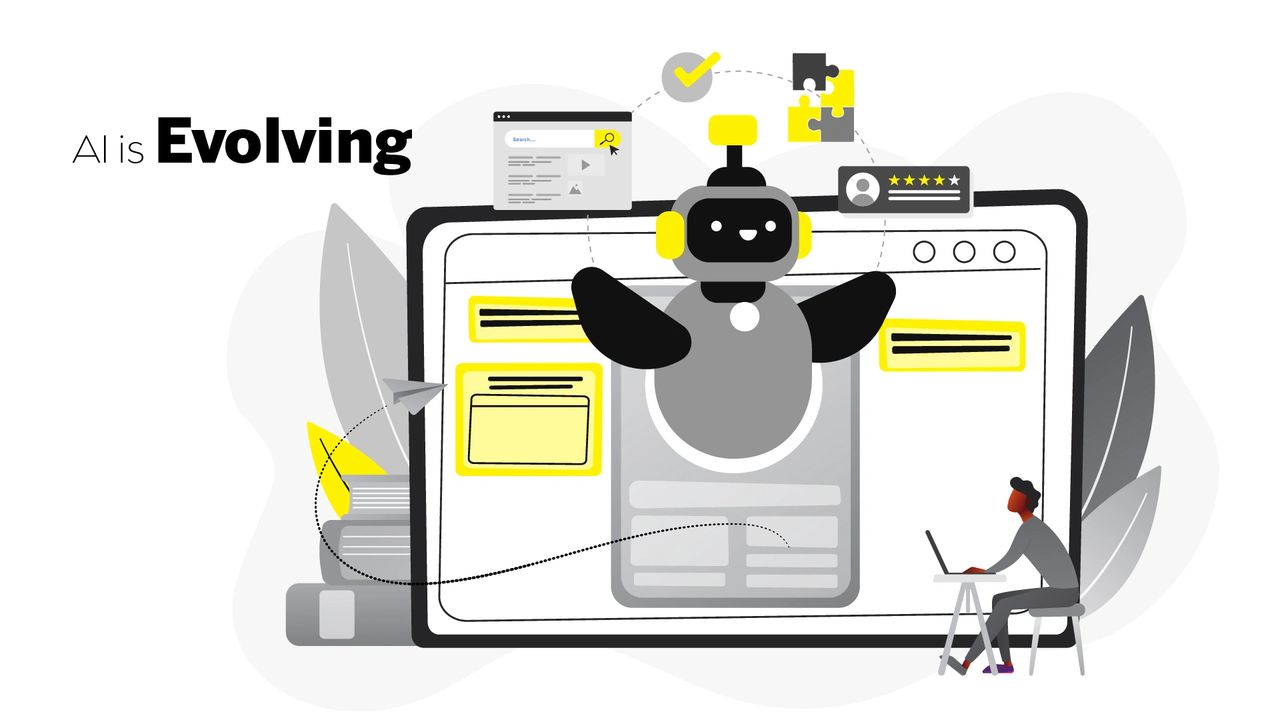
This is just the beginning. As AI continues to evolve, its role in instructional design will become even more impactful.
Future advancements will further enhance feedback processing, minimizing review cycles and accelerating content development.
AI will also improve adaptive assessments that respond in real time to learner performance and provide deeper insights into engagement and knowledge retention.
Final Word
AI is actively amplifying the role of an instructional designer.
At Constellar, we have been deliberate and strategic in integrating AI into our instructional design workflow. We carefully leverage its strengths to improve efficiency without compromising quality. AI helps us with streamlining tedious formatting tasks, making technical content more accessible, enhancing storytelling in eLearning, and personalizing eLearning experiences.
Meanwhile, our IDs concentrate on:
- Creating more value by devising effective learning strategies which align with business objectives
- Ensuring that content is accessible, engaging and relatable
- Working closely with SMEs and stakeholders to ensure eLearning drives performance and real-world outcomes
Ultimately, AI acts as a co-creator, improving the process while IDs ensure that learning remains adaptive, inclusive, and meaningful.
How do you see AI reshaping the future of your eLearning? Let’s talk!