eLearning or Traditional Learning?


Related Posts :



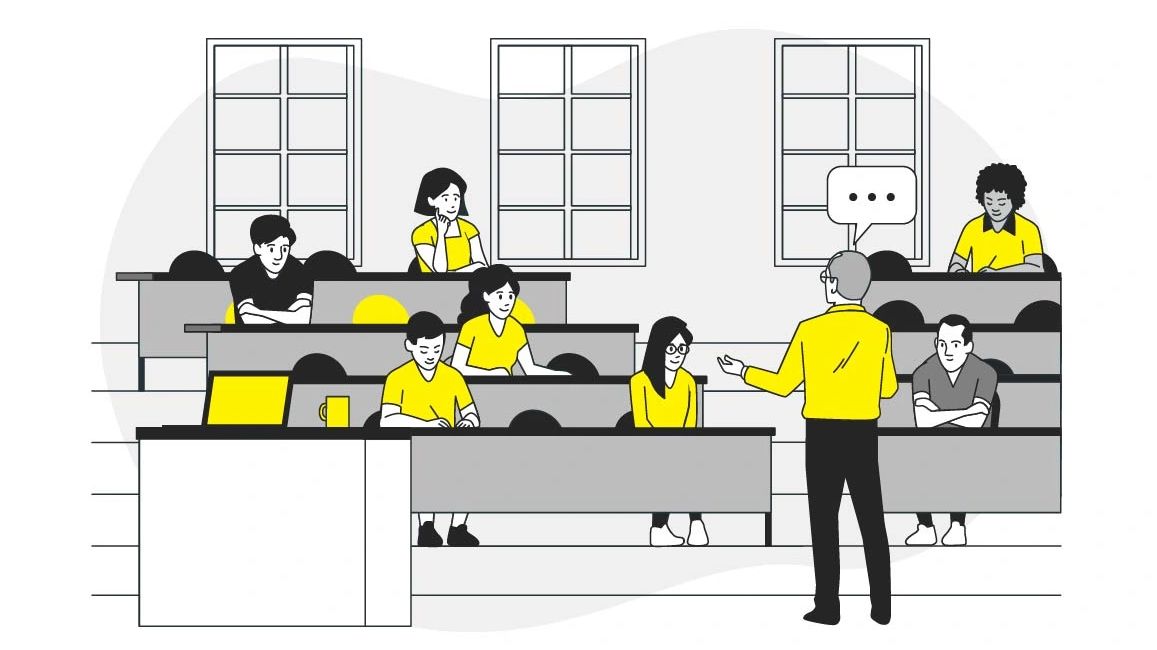
Traditional learning, as the name suggests is the age-old method of classroom teaching where content is delivered to learners in live and in-person sessions. It continues to be the norm as far as the education of children is concerned. It offers an important advantage by providing young children ample opportunities to interact with their teachers and peers and allows teachers to simultaneously assess learner progress.
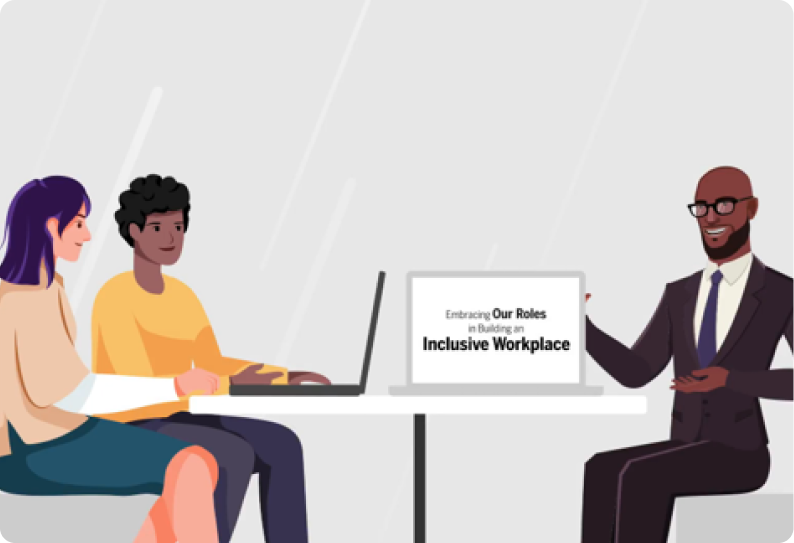
Adults too, learn better in classroom sessions. However, training adults in business organisations requires the trainings to be scalable as well as time- and cost-efficient. eLearning is both scalable and efficient in terms of time and cost. It also allows learners control over the learning pace which is vital when it comes to training adults. Clearly, eLearning seems to be the better choice for dispensing learning content in business organisations. Should we even consider classroom training when we can opt for eLearning?
CHOOSING A SUITABLE LEARNING METHOD
While eLearning may look like the most obvious option, it is not always the most appropriate one. Web-based trainings are not efficient for training learners on interpersonal skills. And though they may be cost-efficient, creating a web-based module for a small group of people within an organisation is not exactly budget-friendly.
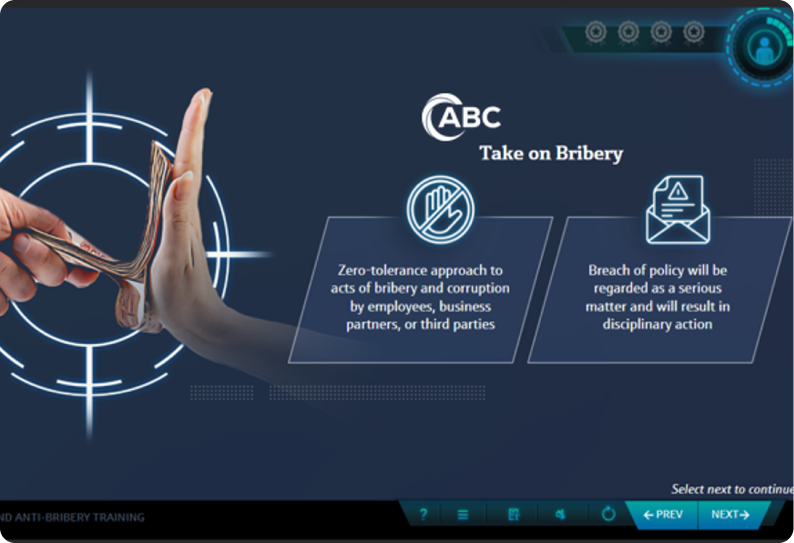
A web-based training module is most suited for an organisation-wide compliance training. When it comes to onboarding new members within a team though, an instructor-led training offers a chance for new team members to not only understand the intricacies of their role within the team but also allows them to interact with their teammates in a safe environment.
IN CONCLUSION
Both eLearning and traditional learning come with their own pros and cons and remain relevant in their specific contexts. It is always advisable to choose a learning modality based on learning requirements. Remember that it is possible to avail the benefits of both these training methods (along with some other learning bits) in what is known as a blended learning experience. Learn more about blended learning here.