Microlearning: Designing Bite-Sized Lessons for Maximum Impact


Related Posts :

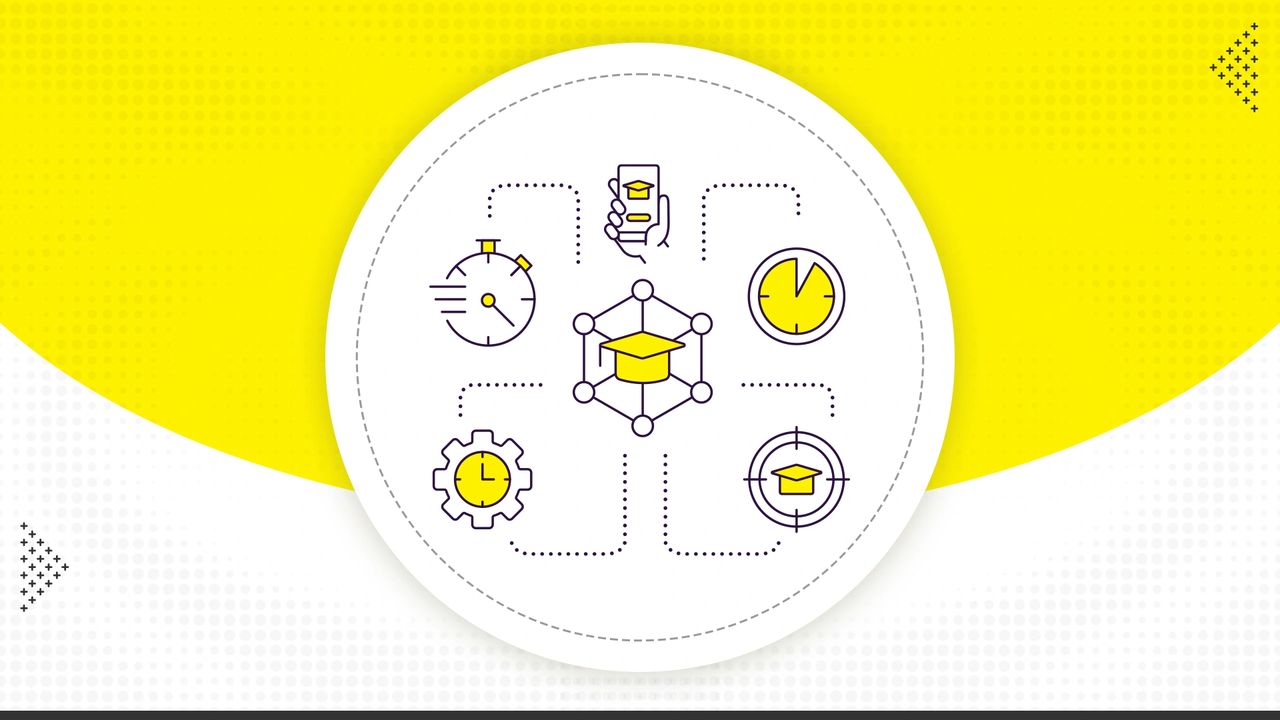
Microlearning is one of the most exciting and effective instructional strategies employed for learning design. This approach creates small, bite-sized lessons or chunks of information, intending to maximize retention and engagement in learners. Microlearning gives you easily digestible information or knowledge through crisp and precise videos, quizzes, and interactive lessons spanning seconds to minutes.
In this article, let’s explore the benefits of microlearning and some design considerations for designing impactful compact learning modules.

Microlearning can be a smart learning approach as it helps in:
Enhanced retention: Microlearning uses the psychological principle of “spaced repetition,” whereby learners are exposed to the same information multiple times in a given period; this helps strengthen their memory. Also, the conciseness of microlessons makes it easier for learners to review and grasp content, increasing the chances of retention.
Engagement: Bite-sized lessons are designed to be engaging and interactive – games, puzzles, and multimedia features can be easily integrated to increase engagement. Microlearning’s short duration minimizes learner exhaustion by presenting content in manageable units, reducing the risk of overwhelming individuals with extensive information in one session.
Directed learning: Microlearning allows organizations to focus on specific learning needs or performance gaps. Learners can access the lesson content relevant to their immediate challenges, which results in more effective proficiency development.
Accessibility: Microlearning is accessible across various devices, allowing learners to engage effortlessly with the content. This flexibility facilitates self-paced and just-in-time learning.
Cost-effectiveness: Developing and delivering microlearning modules tends to be more cost-effective than traditional training methods, as it reduces the need for lengthy, resource-intensive training sessions.
To design impactful microlearning modules, it’s essential to follow some key design principles and best practices:
Defining clear objectives: Clear and direct learning objectives for each microlesson form the foundation of a robust microlearning module.
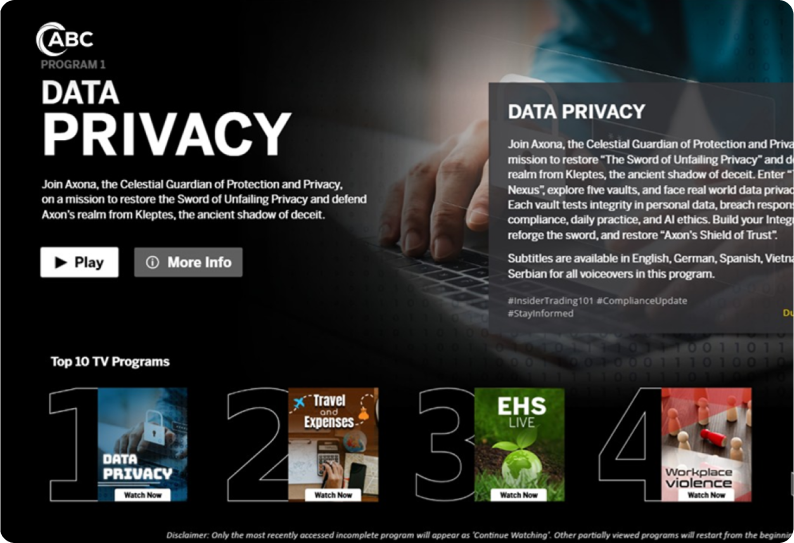
Using engaging multimedia: A microlearning lesson builds interest by integrating multimedia features such as videos, infographics, quizzes, and puzzles, catering to diverse learning styles.
Ensuring accessibility: A crucial aspect of microlearning involves ensuring easy accessibility and navigability across diverse devices.
Progressing structure: A well-structured learning path with a gradual increase in intricacy and complexity aids in retaining previously acquired knowledge. This progressive approach contributes to achieving a deeper understanding of the content.
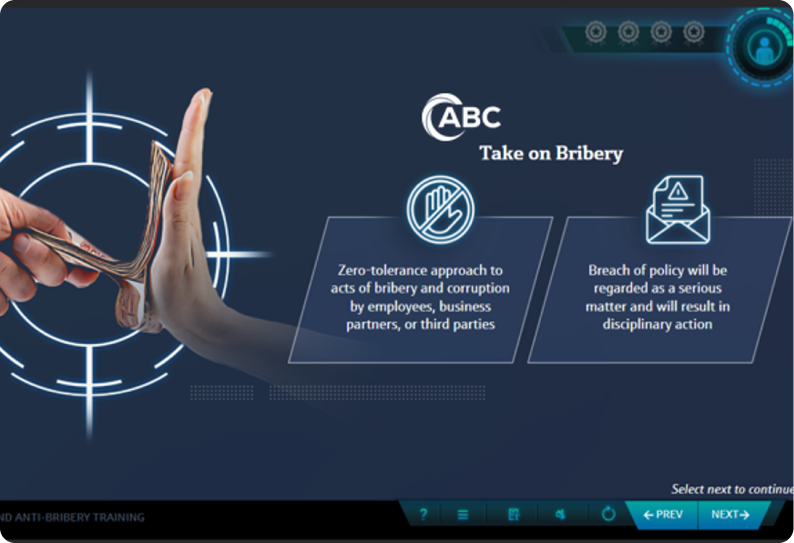
Interacting elements: Creating the desired learning experience involves integrating interactive elements such as quizzes, puzzles, simulations, or prompts.
Applying practically: Microlessons are absorbed more effectively when linked to real-world scenarios, rendering the content more relevant and directly applicable to your learning experiences.
Despite its advantages, microlearning also presents specific challenges worth considering:
Limited depth: Microlearning’s brevity might limit the exploration of complex lessons, offering only a surface-level understanding.
Complexity challenges: Effectively communicating intricate or interconnected concepts can be challenging, rendering microlearning less suitable for in-depth topics.
To overcome these limitations, consider enhancing depth by adding relevant resources to the modules. Also, strategically organizingmodules can help better understand complex and interconnected concepts.
A final word
Microlearning isn’t a one-size-fits-all solution, yet its strategic design and implementation greatly improve your learning experience. Following design principles and using the benefits of bite-sized lessons create a well-structured, tailored approach to meeting individual needs. Including engaging multimedia and personalized experiences strengthens this compact, impactful learning journey, suggesting a responsive, dynamic future of education aligned with evolving learning demands.
If you’re looking for an external partner for eLearning solutions, we suggest you consider Constellar Consulting, a specialized content creator. Our expertise lies in creating customized, high-end videos and learning modules that perfectly align with your L&D goals and requirements. Reach out today to initiate collaboration and embark on a fabulous learning experience journey.