Simplifying Corporate Training with Minimalism


Related Posts :





You might be aware of the saying, “Less is more.” This philosophy advocates keeping things simple and minimalistic to achieve better results. This approach has gained popularity in learning experience design for its ability to provide clarity, enhance engagement, and reduce cognitive overload in learners. By keeping courses simple and focused, this design philosophy also improves accessibility, ensuring that a broader range of learners can benefit from the content.

Minimalism in eLearning or corporate training emphasizes delivering essential information aligned with the learning objectives to the learners in a clear, concise, simple, and effective manner. It also focuses on clarity, visual hierarchy, consistency, user-centricity, and engagement. These principles aim to enhance learning, reduce cognitive load, and provide improved retention and engagement.
Minimalism also caters to the diverse learning needs of audiences, making learning more accessible and inclusive, especially to learners with various learning styles, language proficiencies, and cognitive abilities.
Strategies for implementing minimalism in course design
Let’s explore the common strategies for implementing minimalism in course design.

Cognitive load refers to the mental effort required to process information. High cognitive load can overwhelm the learner’s working memory. To minimize it, break information into smaller, logical parts. Use plain language, clear examples, and visuals to simplify complex concepts.

Simplifying information is crucial for ensuring understanding. Techniques like using plain language, providing clear examples, and chunking the content enhance clarity. Clear instructional content improves comprehension and helps learners apply the knowledge effectively.

Differentiate between “need-to-know” (primary) information and “good-to-know” (secondary) information. For this, study the source content, map it to the learning outcomes, and identify the core concepts. You may also consult Subject Matter Experts (SMEs), analyze needs, and gather learner feedback.

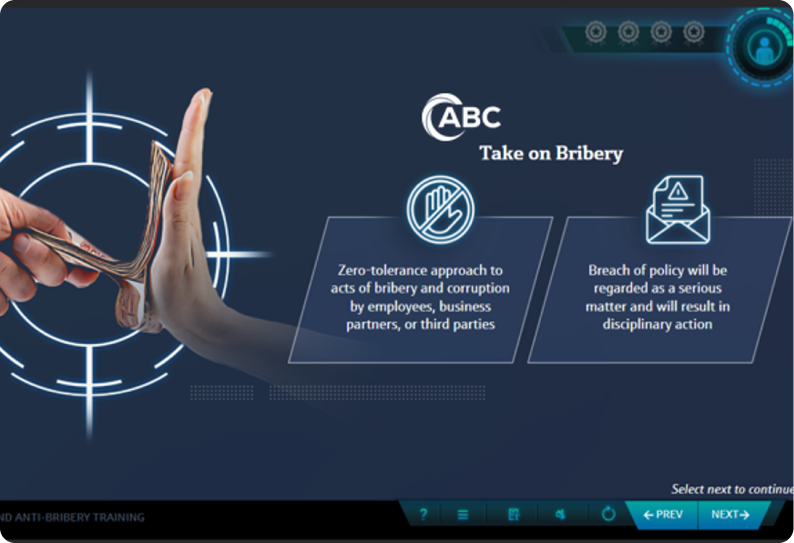
Incorporating minimalist design principles in course visuals can enhance comprehension. Visuals should be used purposefully to support the content. Examples of effective use of visuals include using diagrams, charts, and infographics to illustrate concepts and using a consistent visual theme throughout the course.

Integrate interactive elements for active learning to maintain learner interest. Use quizzes, simulations, and games to enhance engagement while keeping content simple and easy to understand. Balancing simplicity with engagement ensures learners are motivated to complete the course.

Incorporating minimalism in eLearning design presents a fundamental challenge: ensuring that while content is streamlined, it remains comprehensive enough for learners to achieve the desired learning outcomes. This balance is critical, as minimalist design aims to simplify without compromising educational value. Achieving this balance requires careful consideration and strategic planning to determine the essential content for effective learning.
A final word
Minimalist course design enhances learning experiences by improving retention and comprehension among learners. By simplifying content, reducing cognitive load, and prioritizing clarity and engagement, minimalist design enhances the learning experience. At Constellar, we specialize in crafting minimalist eLearning solutions that optimize learning outcomes. Our expert team combines instructional design with innovative approaches, ensuring that your courses are effective and engaging. Contact us today to explore how our award-winning course designs can revolutionize your eLearning initiatives.
Let’s simplify learning and elevate engagement together!