
AI, Skepticism, and eLearning


Related Posts :




On November 30 of the year 2022, an American research organization introduced a generative AI chatbot called ChatGPT, that took a world slowly recovering from the aftermath of a raging pandemic by storm. This was followed by a variety of AI-based tools that could perform multiple functions. From fetching and compiling information available on the internet to enabling the creation of artworks to writing programming code, these tools could perform a wide range of time and effort consuming tasks in a jiffy. It is further speculated that AI tools can also perform more complex functions like medical diagnoses or financial choices, and that were until now reserved exclusively for the discretion of human minds.
The world enthusiastically welcomed AI-based applications and very soon we found them deployed in almost every aspect of our lives. We have been using these applications for a couple of years now and while their utility can certainly never be denied, the flipside has not gone unnoticed. These issues are important considering that they raise questions about the very ethics of using AI systems.
Some crucial issues
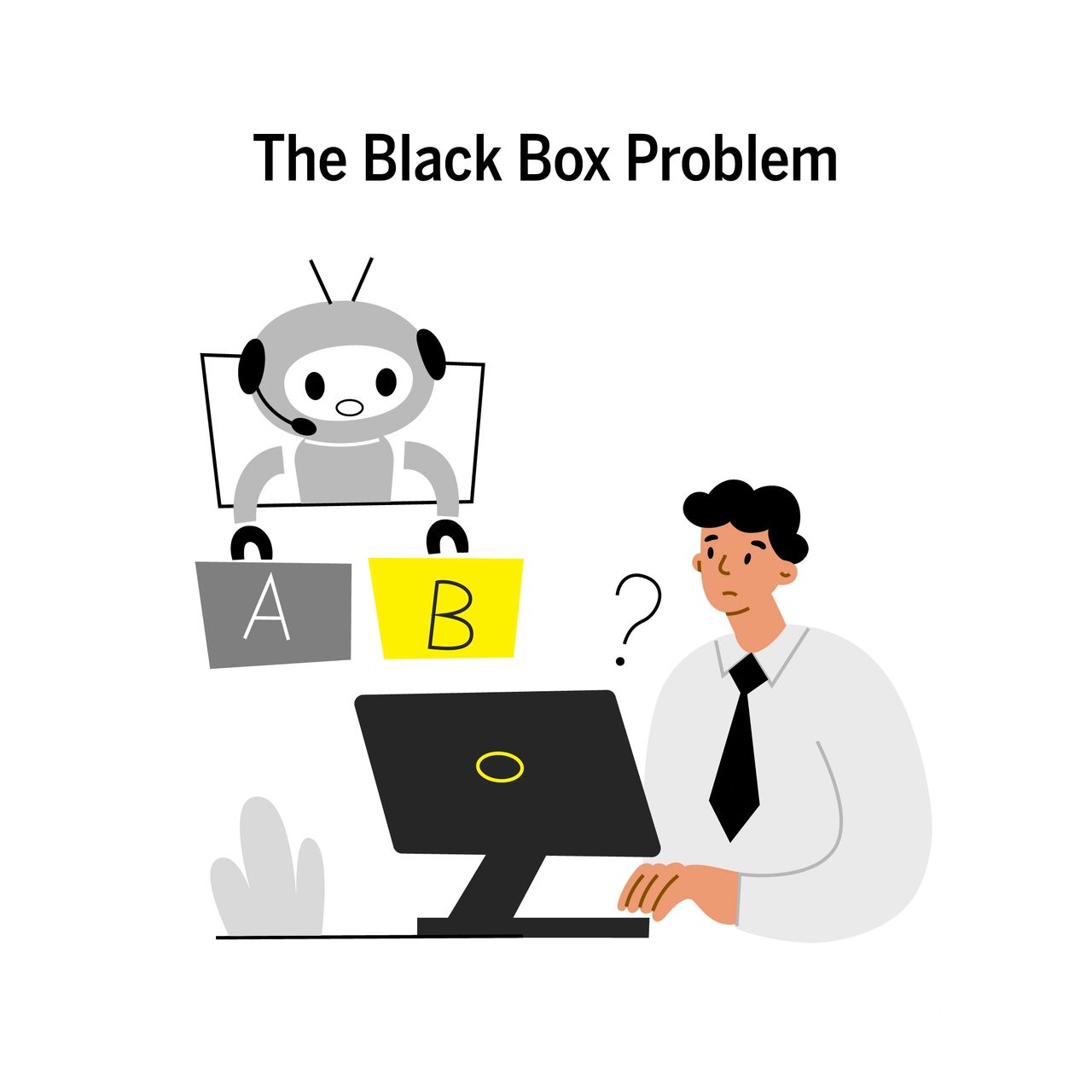
While we have already noted that AI can be used for decision-based tasks, the apprehension for such utilization stems from the fact that we know nothing about how an AI system arrives at the decisions and choices it makes. Experts have termed this as the “black box problem”. The black box problem makes it hard for us to calibrate such processes for more accurate results. More importantly, the responsibility and accountability for such important decisions is rendered questionable.

We already know that AI systems are LLMs or large language models that use the information available on the internet to generate results for our queries. We also know that not everything on the internet is true. It is due to this fact that verifying the validity of the results generated by an AI system becomes vital. While some AI applications do provide sources from where the information was picked up, not all tools have adopted this practice yet.
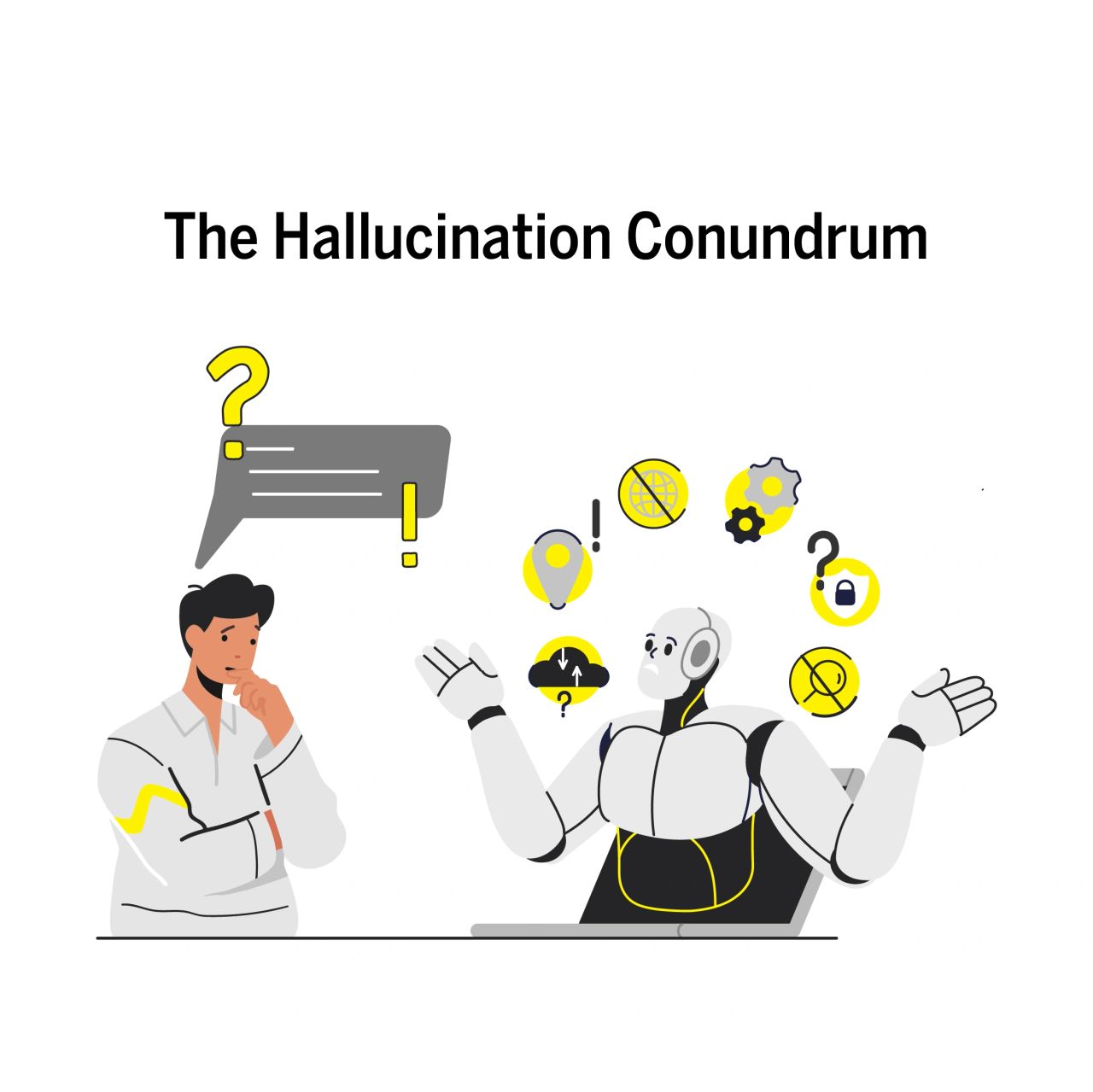
As the AI system scours the internet to retrieve the requested result, it is likely to encounter sources that propagate incorrect or even fake information. while compiling information from such sources, the AI system is likely to generate outdated, incorrect, and sometimes even nonsensical information. Such instances are termed as “hallucinations”.

The dependency AI systems on content available on the internet has resulted in much debate about the intellectual property rights of the creators and owners of said content. The creators and owners have no control on the utilization of their content by AI systems, nor do they receive any kind of compensation for its utilization.

The setup of AI systems consumes a significant amount of energy and generates a considerable amount of carbon emissions as well. It is predicted that as the use of AI widens, this energy consumption will skyrocket leading to a serious environmental impact.

AI systems are young and so is the current user community. As time passes and the use of AI becomes more and more commonplace, we are likely to discover some more problems that were not previously visible or predictable. Consequently, the effect that these unknown issues will exert and their intensity also remains unknown.
Let’s admit that the issues that we listed above are quite serious. However, any concerns you may have should go away once you know how we as eLearning creators utilize AI-based tools.
Image and Graphics Editing
We utilize AI systems to edit images or other graphics such that they fit in with the overall design theme of the module.
Content Restructuring
While designing the structure of a learning module, we chalk out a content flow for the module that works best for maximum learning and retention. AI systems help us to reduce the time consumed by this task. Sometimes, the tools come up with structures that break away from traditional ideas of content restructuring, ergo bringing in a fresh perspective.
Language Checks
There is a variety of AI-based tools that offer live checking of spelling and grammar even as one is typing away in a document. These tools come with often come with options for choosing from a variety of languages and their variants as well.
Other Miscellaneous Applications
AI-based tools can also help in reducing the time and efforts required for more mundane tasks like extracting text from an image or extracting the script from a video. This makes the learning design and development process more efficient and clears up the users’ energy and schedule for more meaningful jobs.
Conclusion
So, you see that unless we use AI tools to compile learning content, it is unlikely that we will encounter any pitfalls of AI systems. But, we at Constellar Consulting prefer to do all the creative stuff ourselves and rely on AI systems only for improving the efficiency of the learning design and development process.
While your skeptical misgivings about AI systems are not completely unfounded, it is best to remember that we are free to choose the extent of AI intervention in our work and our lives as well.
Connect with us at Constellar Consulting to know more about how your learning content can be converted into an engaging piece of eLearning with the help of AI-based tools!