Unlearning Is as Important as Learning


Related Posts :




A Workplace Imperative for Growth, Empathy, and Communication
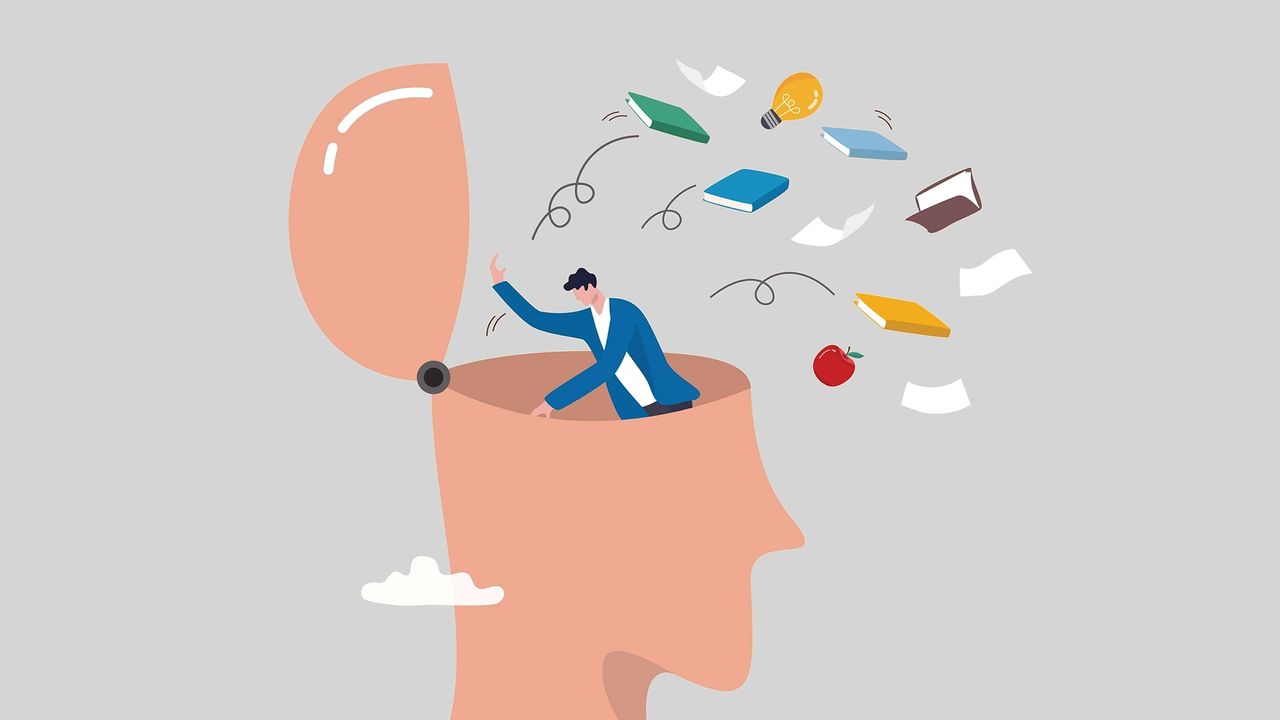
In today’s fast-paced and diverse professional world, success is increasingly defined not just by what we know, but by our ability to rethink, relearn, and unlearn. As an HR professional with a background in Psychology, I’ve witnessed how unlearning can be a powerful catalyst for personal and organizational transformation. It’s more than a skill—it’s a mindset that nurtures growth, empathy, and collaboration across all levels of the workplace.
Understanding Unlearning
Unlearning is not the same as forgetting. Forgetting is passive, while unlearning is an active and intentional process. It involves letting go of outdated beliefs, habits, and assumptions that no longer serve us. Psychologist Jessica Koehler describes it as ‘freeing up cognitive space’—a necessary step in adapting to new challenges. Alvin Toffler captured this idea well when he said, ‘The illiterate of the 21st century will not be those who cannot read and write, but those who cannot learn, unlearn, and relearn.
The Psychology Behind Unlearning
Unlearning is difficult because of cognitive biases—mental shortcuts that help us make decisions but can also keep us stuck in old ways. These include confirmation bias (favoring information that supports existing beliefs), status quo bias (preferring things to stay the same), and belief perseverance (clinging to beliefs despite contrary evidence).
To overcome these biases, individuals and teams can practice critical thinking, seek diverse perspectives, reflect regularly, and adopt a growth mindset. For example, a team accustomed to in-person brainstorming might resist virtual tools. But by evaluating productivity data and listening to remote colleagues, they may find that platforms like Miro or Notion enhance creativity and inclusivity.
Unlearning in the Workplace
Unlearning is essential at every level—individual, team, and organization. It supports innovation, leadership transitions, cross-functional collaboration, and diversity, equity, and inclusion (DEI).
Consider a company transitioning from a hierarchical structure to agile teams. This shift requires unlearning rigid reporting lines and embracing shared leadership. Research shows that critical reflection—questioning one’s assumptions—enhances unlearning and leads to greater creativity and engagement.
Adapting to Remote and Hybrid Work
In remote and hybrid environments, unlearning becomes even more vital. Communication norms must evolve from rigid meetings to flexible updates. Leadership styles should shift from micromanagement to trust-based autonomy. Collaboration must transcend silos, and biases must be actively unlearned to foster inclusion.
For instance, a manager used to tracking hours may need to focus on outcomes instead—empowering remote employees to work with autonomy and trust.
Enhancing Communication and Empathy
Effective communication is about connection, not just clarity. Professionals should unlearn habits like perfectionism, scripted responses, and performance-driven dialogue. Instead, they should embrace authenticity, active listening, and empathy.
For example, a team member who speaks genuinely and listens deeply is more likely to build meaningful relationships than one who delivers a rehearsed pitch.
The Role of AI in Supporting Unlearning
While AI isn’t central to unlearning, it can support the process. AI-powered platforms personalize learning, simulate real-world scenarios, and offer behavioral nudges. They also provide data-driven insights that help identify inefficiencies and suggest improvements.
For example, an AI dashboard might reveal that legacy workflows are slowing down project delivery, prompting teams to rethink and unlearn outdated routines. It’s important to use AI ethically, ensuring transparency and mitigating bias.
Making Unlearning a Habit
Unlearning should be a continuous practice. Organizations can embed it into their culture by encouraging curiosity, celebrating adaptability, creating feedback-rich environments, and designing learning experiences that challenge assumptions. Leaders should model vulnerability and openness.
HR teams, for example, can host ‘Unlearning Labs’ where employees explore unconscious biases, rethink workflows, and share transformation stories.
Final Thoughts
In a world defined by rapid change, unlearning is essential. It empowers professionals to stay relevant and empathetic. As someone who bridges HR and Psychology, I believe that workplaces thrive when we create space not just to learn—but to unlearn and relearn.