Unlearning Is as Important as Learning

A Workplace Imperative for Growth, Empathy, and Communication
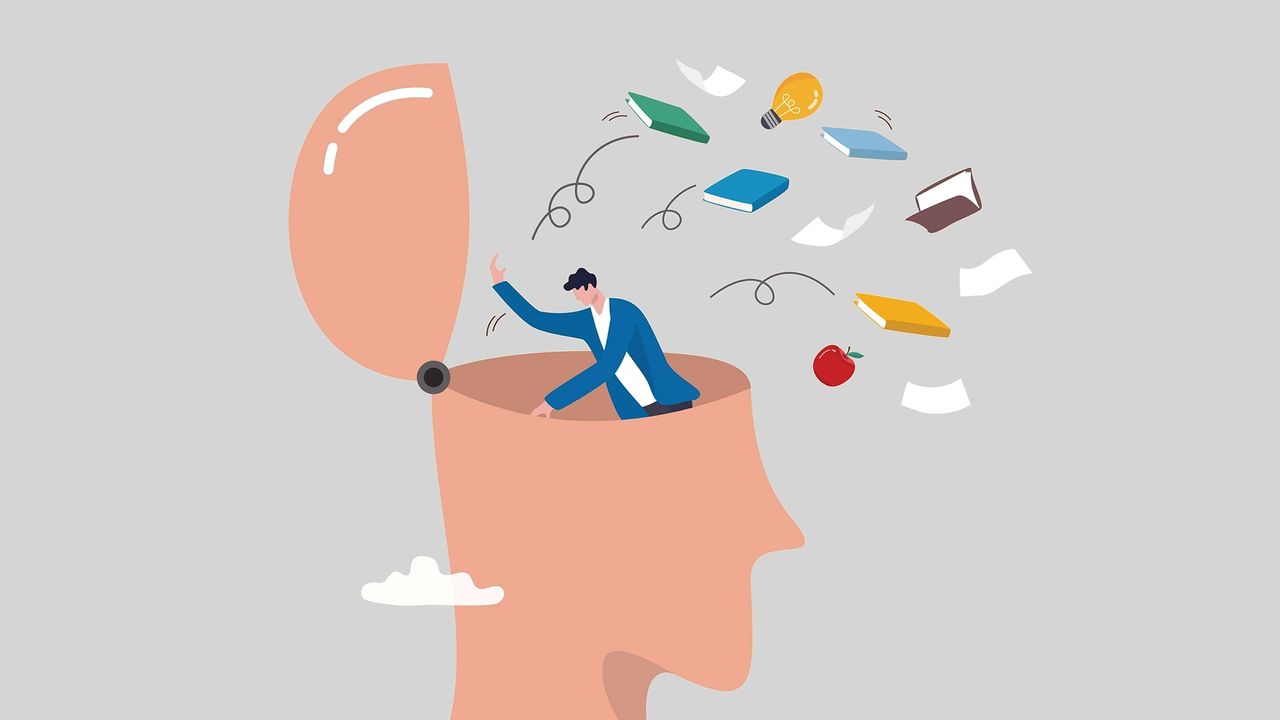
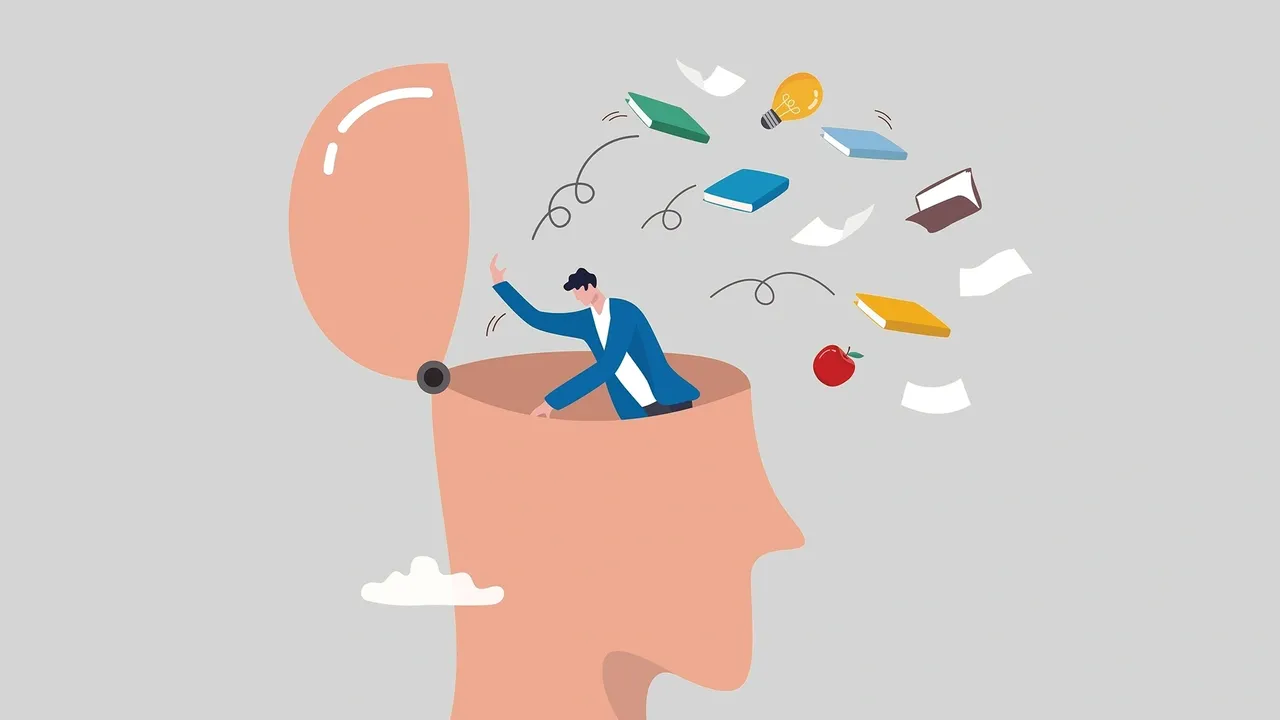
In today’s fast-paced and diverse professional world, success is increasingly defined not just by what we know, but by our ability to rethink, relearn, and unlearn. As an HR professional with a background in Psychology, I’ve witnessed how unlearning can be a powerful catalyst for personal and organizational transformation. It’s more than a skill—it’s a mindset that nurtures growth, empathy, and collaboration across all levels of the workplace.

Understanding Unlearning

Unlearning is not the same as forgetting. Forgetting is passive, while unlearning is an active and intentional process. It involves letting go of outdated beliefs, habits, and assumptions that no longer serve us. Psychologist Jessica Koehler describes it as ‘freeing up cognitive space’—a necessary step in adapting to new challenges. Alvin Toffler captured this idea well when he said, ‘The illiterate of the 21st century will not be those who cannot read and write, but those who cannot learn, unlearn, and relearn.

The Psychology Behind Unlearning

Unlearning is difficult because of cognitive biases—mental shortcuts that help us make decisions but can also keep us stuck in old ways. These include confirmation bias (favoring information that supports existing beliefs), status quo bias (preferring things to stay the same), and belief perseverance (clinging to beliefs despite contrary evidence).

To overcome these biases, individuals and teams can practice critical thinking, seek diverse perspectives, reflect regularly, and adopt a growth mindset. For example, a team accustomed to in-person brainstorming might resist virtual tools. But by evaluating productivity data and listening to remote colleagues, they may find that platforms like Miro or Notion enhance creativity and inclusivity.

Unlearning in the Workplace

Unlearning is essential at every level—individual, team, and organization. It supports innovation, leadership transitions, cross-functional collaboration, and diversity, equity, and inclusion (DEI).

Consider a company transitioning from a hierarchical structure to agile teams. This shift requires unlearning rigid reporting lines and embracing shared leadership. Research shows that critical reflection—questioning one’s assumptions—enhances unlearning and leads to greater creativity and engagement.

Adapting to Remote and Hybrid Work

In remote and hybrid environments, unlearning becomes even more vital. Communication norms must evolve from rigid meetings to flexible updates. Leadership styles should shift from micromanagement to trust-based autonomy. Collaboration must transcend silos, and biases must be actively unlearned to foster inclusion.

For instance, a manager used to tracking hours may need to focus on outcomes instead—empowering remote employees to work with autonomy and trust.

Enhancing Communication and Empathy

Effective communication is about connection, not just clarity. Professionals should unlearn habits like perfectionism, scripted responses, and performance-driven dialogue. Instead, they should embrace authenticity, active listening, and empathy.

For example, a team member who speaks genuinely and listens deeply is more likely to build meaningful relationships than one who delivers a rehearsed pitch.

The Role of AI in Supporting Unlearning

While AI isn’t central to unlearning, it can support the process. AI-powered platforms personalize learning, simulate real-world scenarios, and offer behavioral nudges. They also provide data-driven insights that help identify inefficiencies and suggest improvements.

For example, an AI dashboard might reveal that legacy workflows are slowing down project delivery, prompting teams to rethink and unlearn outdated routines. It’s important to use AI ethically, ensuring transparency and mitigating bias.

Making Unlearning a Habit

Unlearning should be a continuous practice. Organizations can embed it into their culture by encouraging curiosity, celebrating adaptability, creating feedback-rich environments, and designing learning experiences that challenge assumptions. Leaders should model vulnerability and openness.

HR teams, for example, can host ‘Unlearning Labs’ where employees explore unconscious biases, rethink workflows, and share transformation stories.

Final Thoughts

In a world defined by rapid change, unlearning is essential. It empowers professionals to stay relevant and empathetic. As someone who bridges HR and Psychology, I believe that workplaces thrive when we create space not just to learn—but to unlearn and relearn.
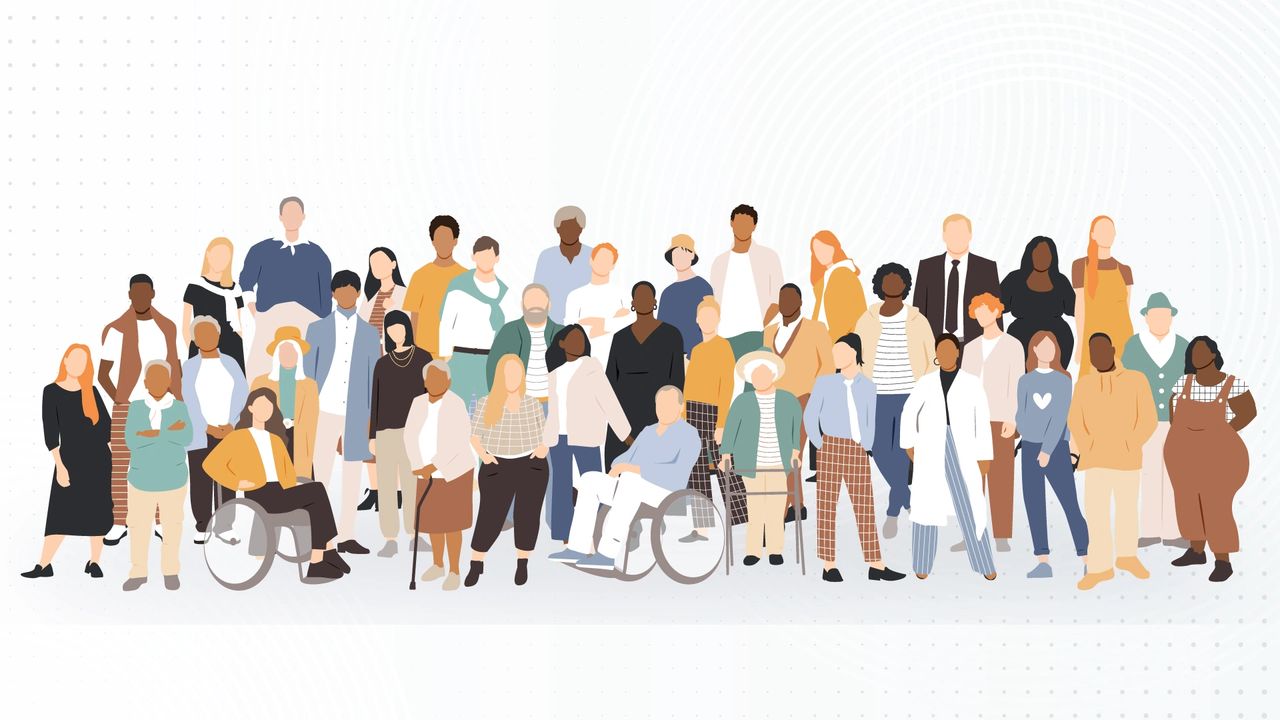
Embracing Diversity, Inclusion, and Tackling the Bias

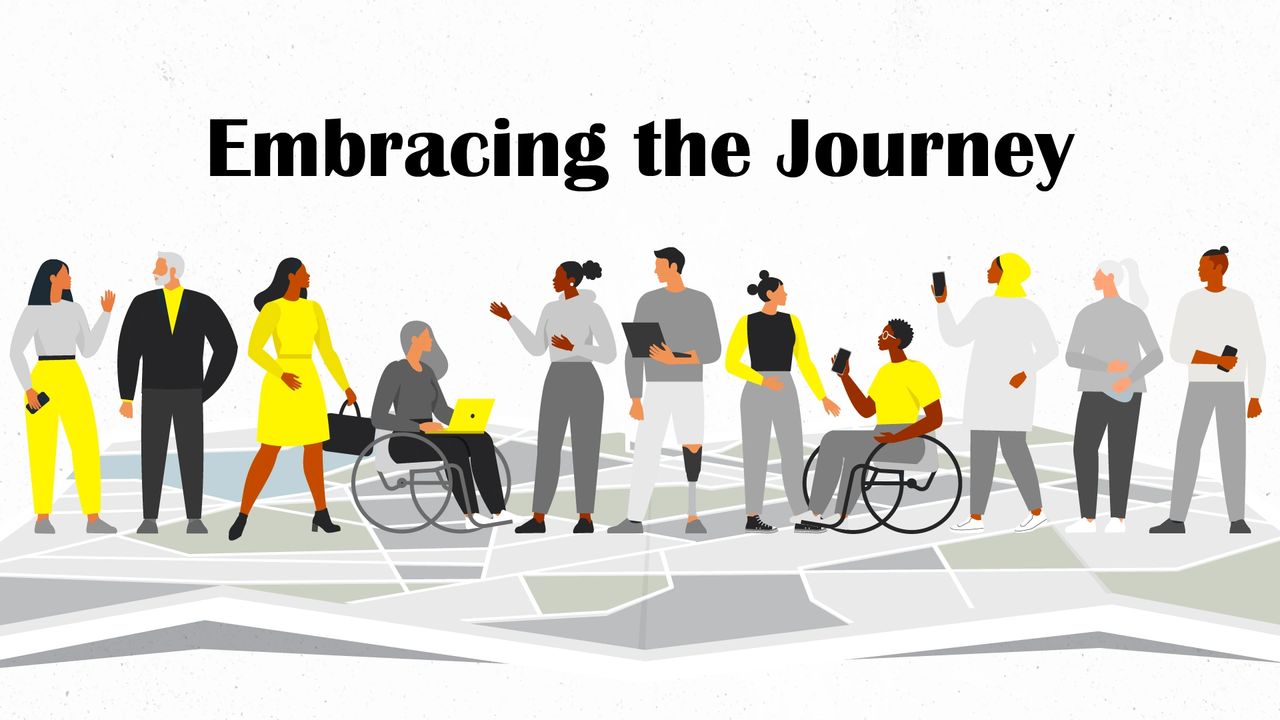
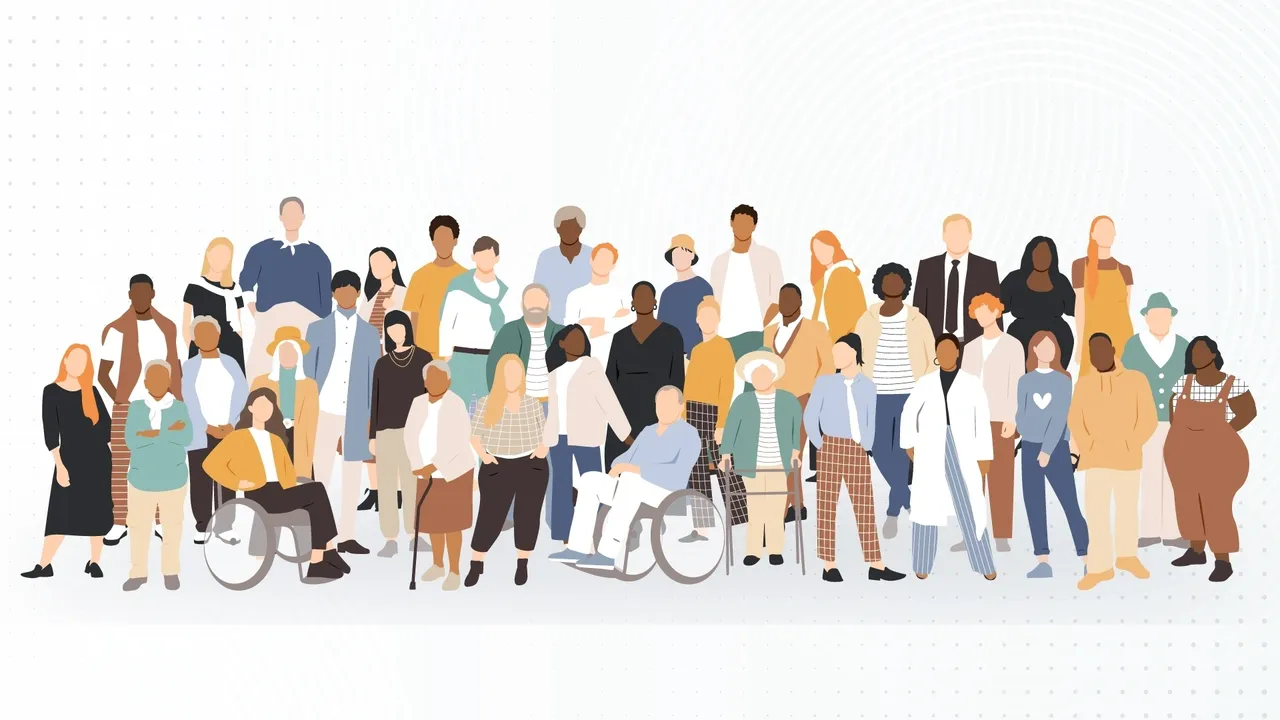
Imagine a place where the work culture is so incredibly inclusive that the biases around gender, religion, sexual orientation or specific abilities take a back seat. Human beings are valued on the level of skills and expertise they bring to the table. For generations, we have experienced discrimination across the globe. Sometimes it is hidden under the shiny covers and sometimes it is blatantly out there- ruining the career opportunities, attracting financial instability, causing harassments and even mental health concerns at the receiving end.

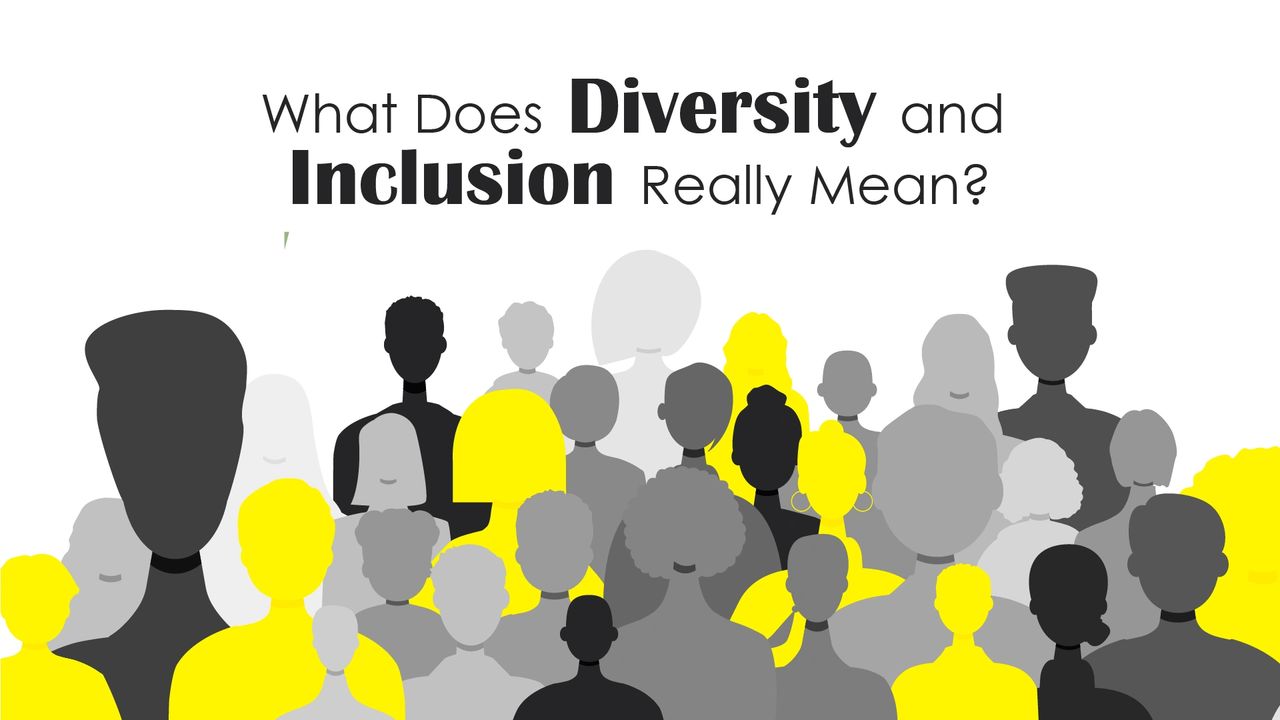
Diversity is nothing but the celebration of the spectrum of human experiences which is rich with unique personalities and mindsets. It is about the various dimensions that make us who we are. Inclusion, on the other hand whole heartedly welcomes and respects every facet of diversity in the community. Together, they spark innovation, foster growth, and build stronger, more successful teams in a professional set up.

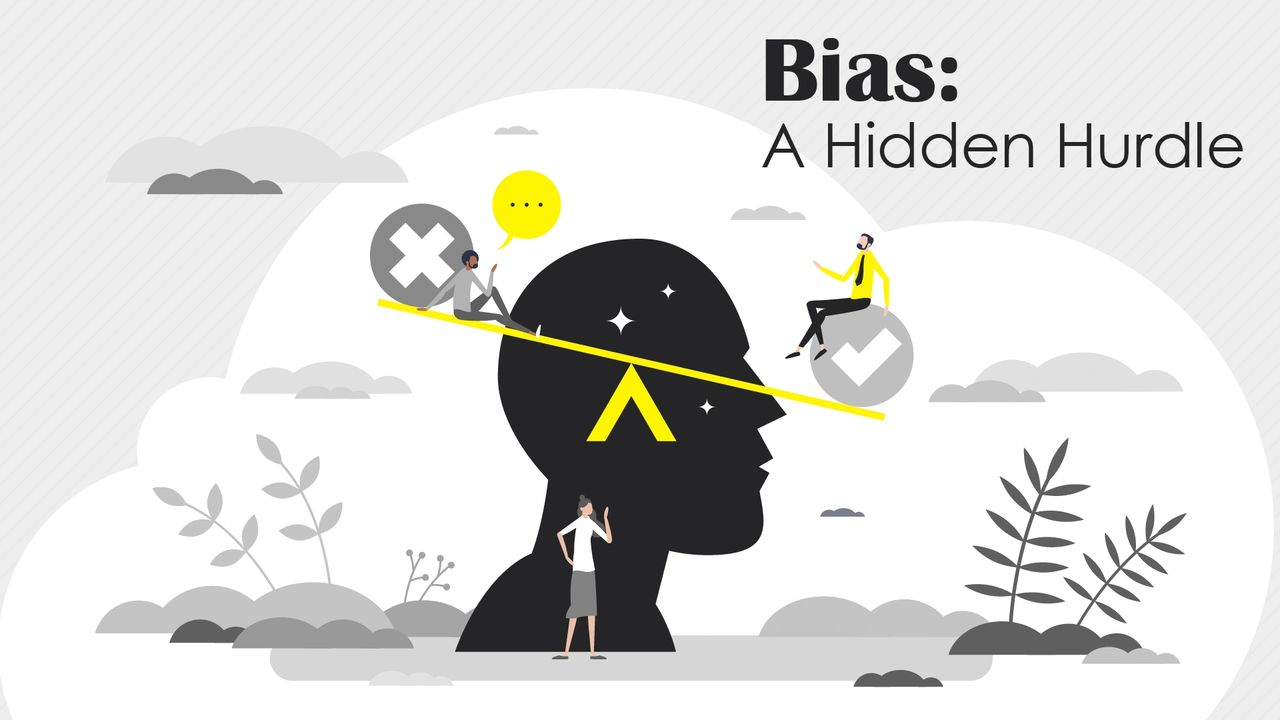
Bias is conscious when a human is denied of an opportunity based on his ethnicity, sexual orientation or abilities etc. And unconscious, yet still present when there are assumptions and preconceptions leading to the same result of overlooked potential and exclusion. The need of the hour is to address and normalize inclusion not only because it is fair but also because in a bigger picture, it is about creating an equitable environment. 

Common Biases and Their Impact

Let us look at some common types of biases to introspect whether we confirm to any of them knowingly or unknowingly,

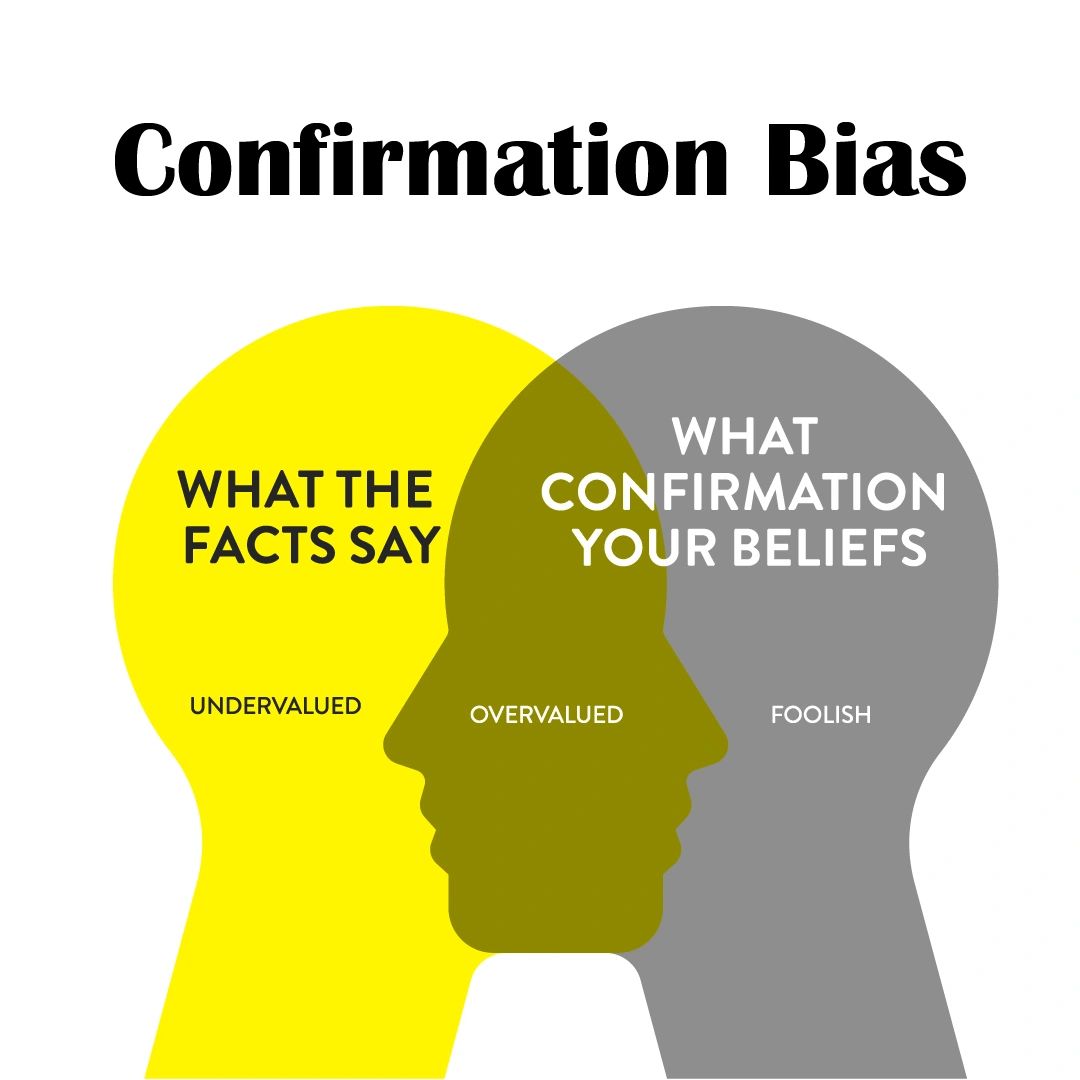
Here the focus is on the information that confirms our existing and learned beliefs. This is a very convenient and non-challenging type of bias where we draw conclusions suiting our opinions, preventing us from truly hearing the other perspective.

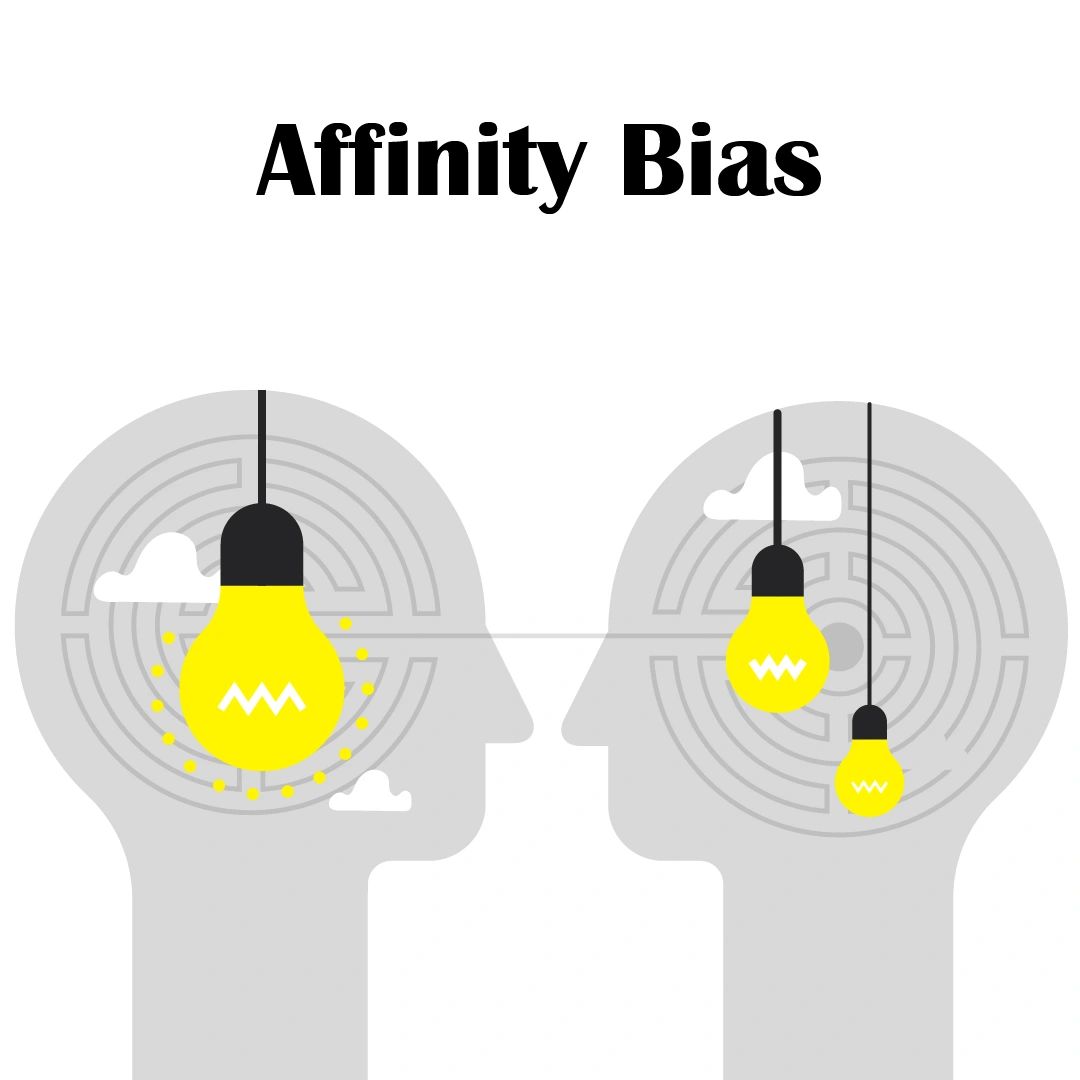
In this type, we naturally gravitate towards people who are like us. In the workplace, this can lead to unintentional sexism, agism, favouritism, excluding those who are different.

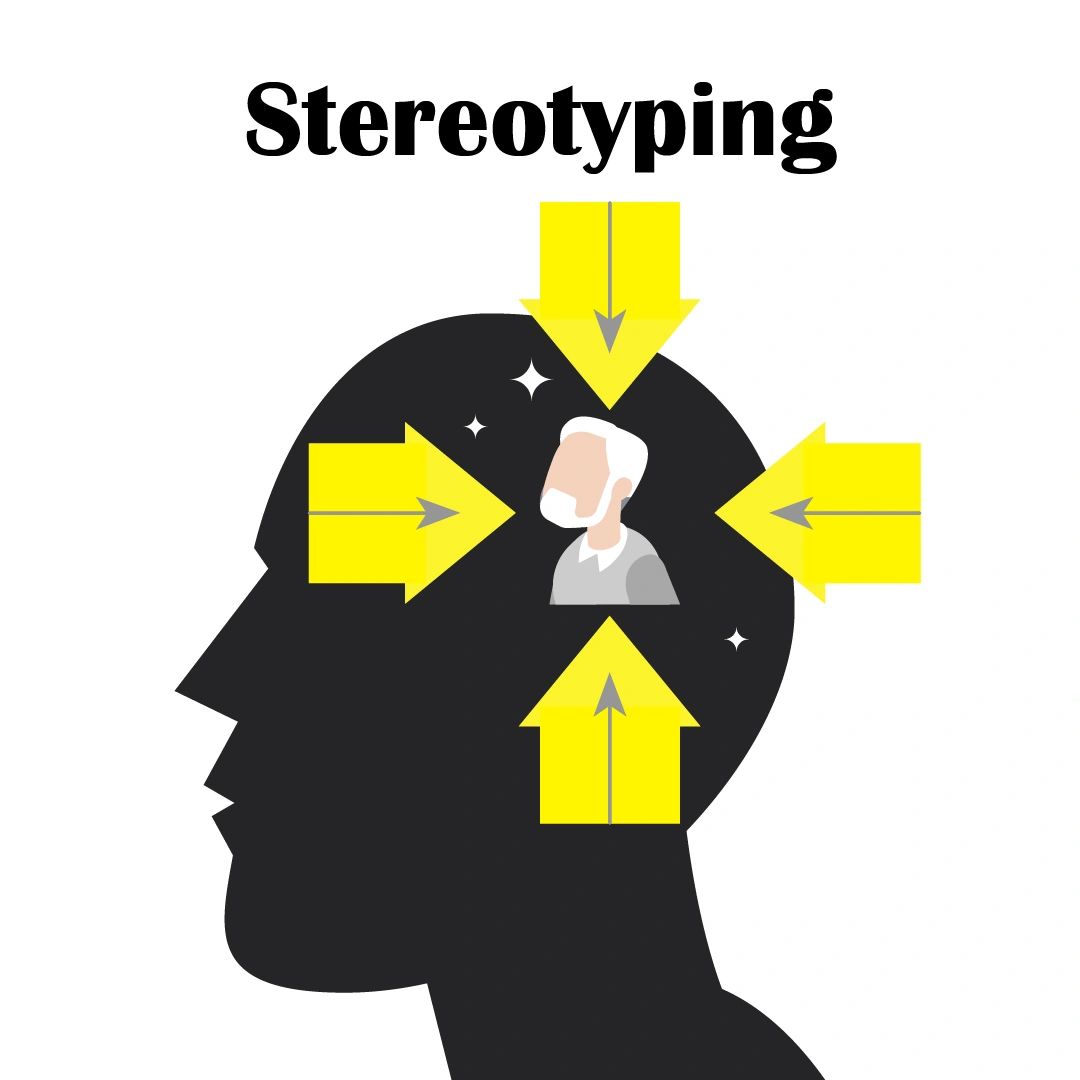
This involves generalizing about individuals based on perceived group characteristics, trying to confirm and place them in some or the other boxes. A very common example would be saying that all women are bad drivers!

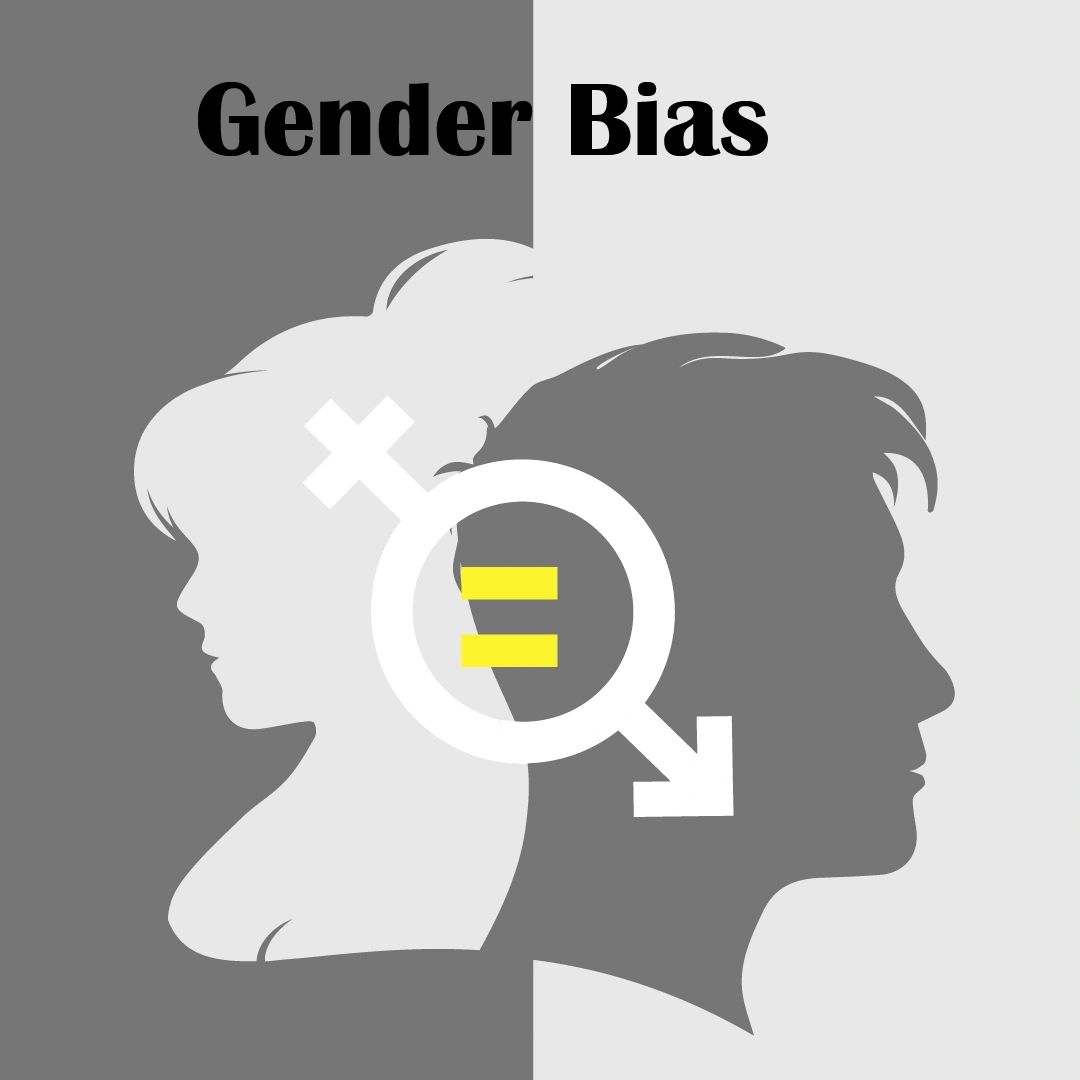
These, and other biases like Gender Bias and Racial Prejudice, which are known but also very normalized in many communities as well as professional set ups limiting humans towards their career choices, financial freedom and being recipient to shaming and even mental health concerns arising from these conflicts and self-doubts. 

As common as the biases are, it is crucial to question and challenge them if we see them around us, if we truly want to eradicate them.

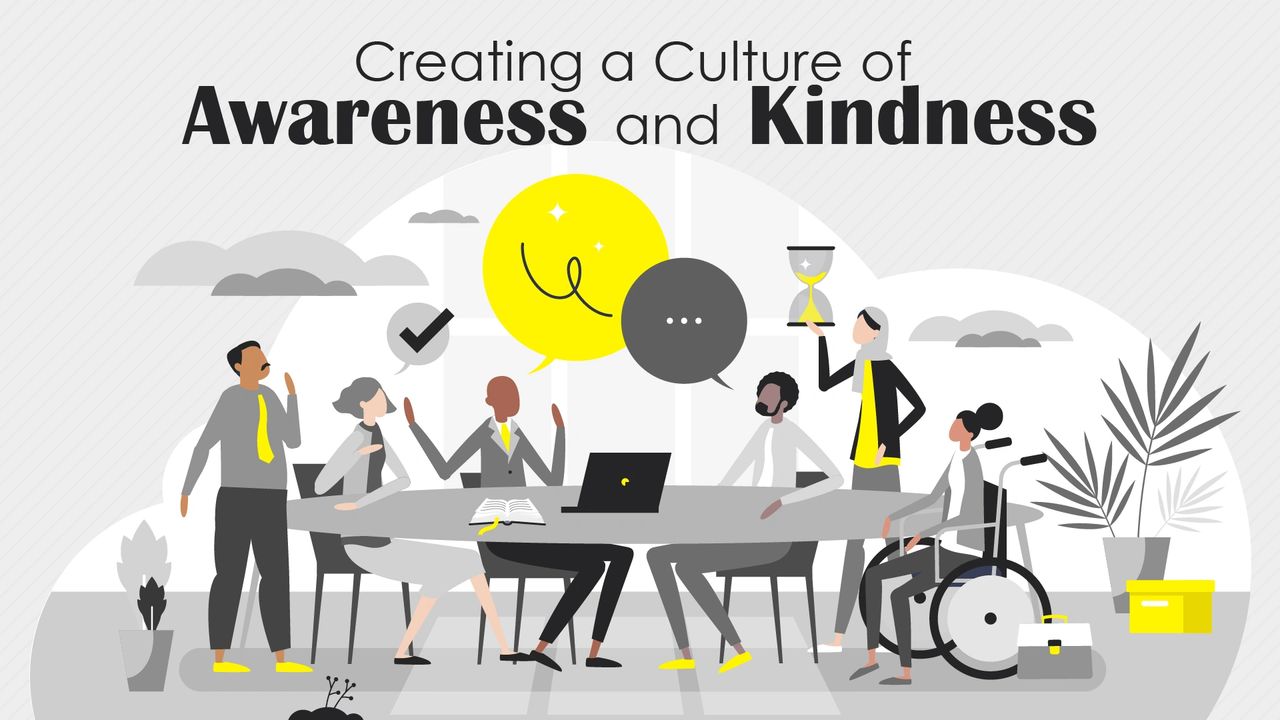
Building a truly inclusive workplace and community at large is an ongoing journey, not a destination.

What can we all do to do our bit? We can start with,

Education and Awareness: Holding safe spaces to discuss openly and vulnerably about D&I as well as biases around them will be a marker of the culture and values of the company. Specialized trainings or awareness sessions could be arranged to develop strategies to identify our own biases and understand how we can counteract them.

Clear Policies and Procedures: Strong anti-discrimination and anti-harassment policies are the guiding star as they include dos and don’ts, making sure the workplace is a safe place for everyone. Additionally, providing mechanisms for reporting and resolving grievances.

Inclusive Hiring Practices: Recruitment processes should be solely based on the suitability and skills of the candidate for the given job profile. It should not matter if their identity or religion or even gender is specified in their application. Don’t we all know better than to judge a book by its cover?

Open Communication: Leaders can lead by an example where the trust and understanding is built over an honest and respectful dialogue. A good marker of the culturally rich environment is gauged by the way feedback is shared as well as taken and acted upon.

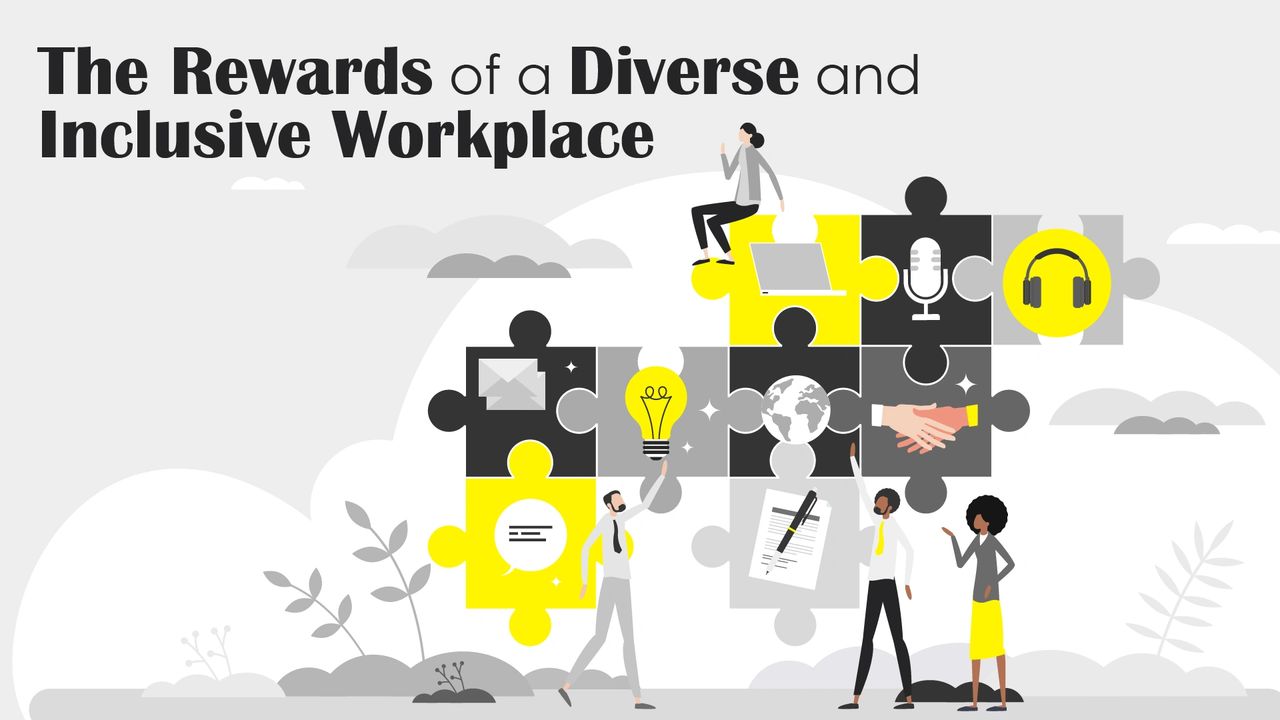
When we embrace the inclusive workplace, it is not without rewards! The teams are more intrinsically motivated to contribute, engage in healthy competition and in finding innovative and non-contemporary solutions- all in all weighing in the brand image and the success of the company. 

In recent years, it is observed that the companies offering more inclusive and flexible work culture experience lower employee turnover while attracting top talent and building positive relationships between their customers/clients/partners.

Building a truly diverse and inclusive workplace might not be easy in the beginning, but it’s indeed essential. All it takes is a commitment to make it a priority. A culture reinforcing kindness and understanding will by default ensure loyalty, resulting in trust and improved quality of work. One step at a time and we are making this world a better and sustainable place for generations to come, and businesses will grow automatically.

A Note from Constellar Consulting

At Constellar Consulting, we’re passionate about helping organizations create inclusive work environments where each employee can thrive. We work towards developing bespoke strategies tailored to the unique business needs, from improving policies to addressing unconscious bias. We’re here to support you on your journey towards creating a workplace where every individual can bring out their optimum potential, feels valued and empowered. 

Visit us at Constellar Consulting and discover how we can help you drive a lasting value for years to come.