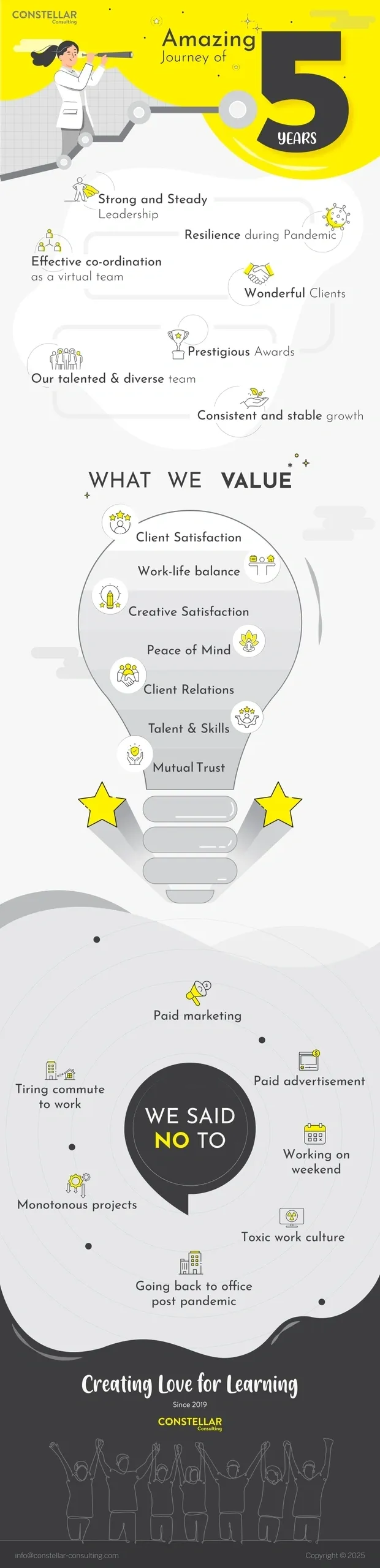
Celebrating 5 stellar years of Constellar Consulting!
Our journey has been as rewarding as charting new constellations. Here’s to adding more stars to our cosmos. Thank you for being part of our galaxy!
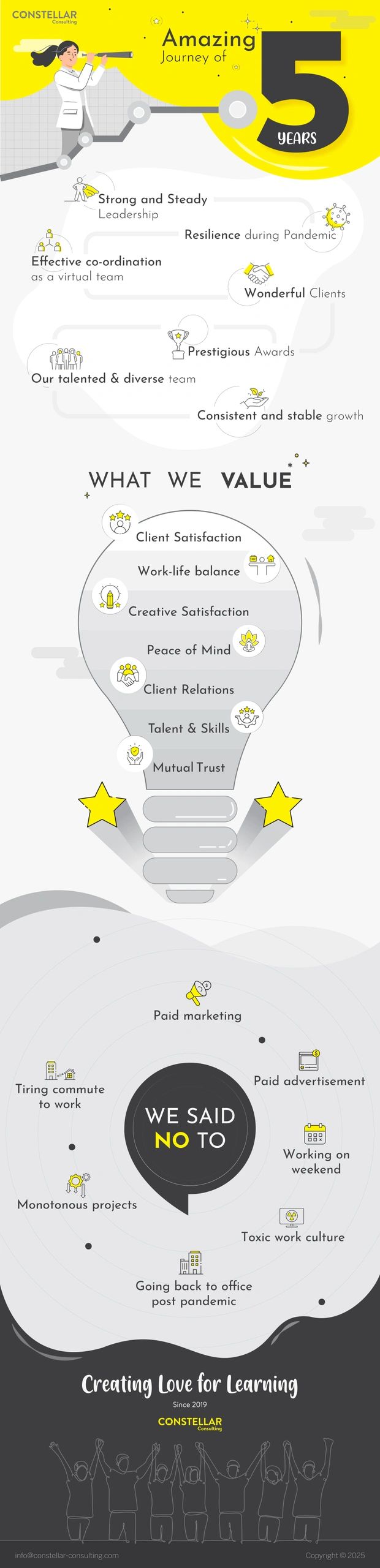

Celebrating 5 stellar years of Constellar Consulting!
Our journey has been as rewarding as charting new constellations. Here’s to adding more stars to our cosmos. Thank you for being part of our galaxy!

You might be aware of the saying, “Less is more.” This philosophy advocates keeping things simple and minimalistic to achieve better results. This approach has gained popularity in learning experience design for its ability to provide clarity, enhance engagement, and reduce cognitive overload in learners. By keeping courses simple and focused, this design philosophy also improves accessibility, ensuring that a broader range of learners can benefit from the content.
Minimalism in eLearning or corporate training emphasizes delivering essential information aligned with the learning objectives to the learners in a clear, concise, simple, and effective manner. It also focuses on clarity, visual hierarchy, consistency, user-centricity, and engagement. These principles aim to enhance learning, reduce cognitive load, and provide improved retention and engagement.
Minimalism also caters to the diverse learning needs of audiences, making learning more accessible and inclusive, especially to learners with various learning styles, language proficiencies, and cognitive abilities.
Strategies for implementing minimalism in course design
Let’s explore the common strategies for implementing minimalism in course design.
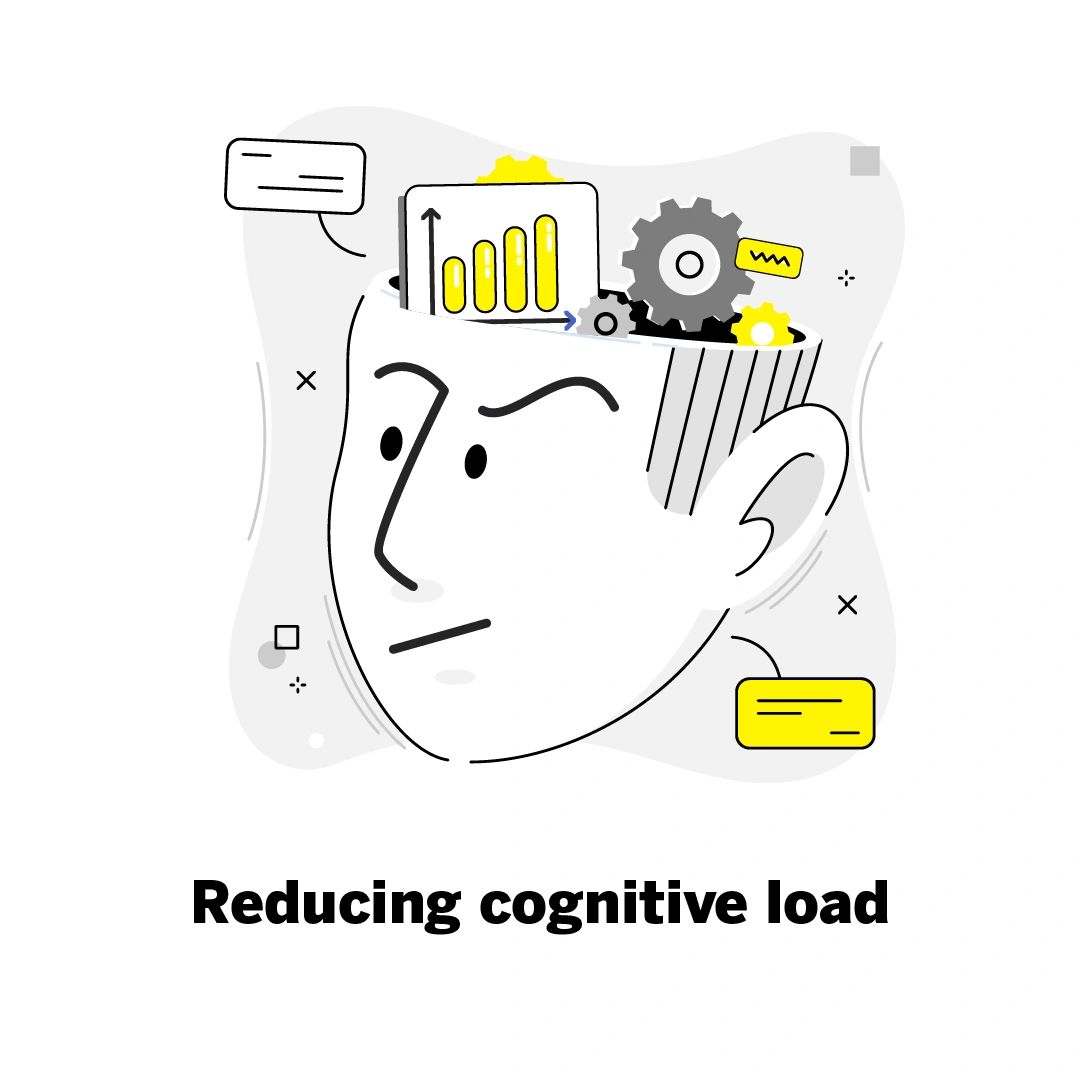
Cognitive load refers to the mental effort required to process information. High cognitive load can overwhelm the learner’s working memory. To minimize it, break information into smaller, logical parts. Use plain language, clear examples, and visuals to simplify complex concepts.
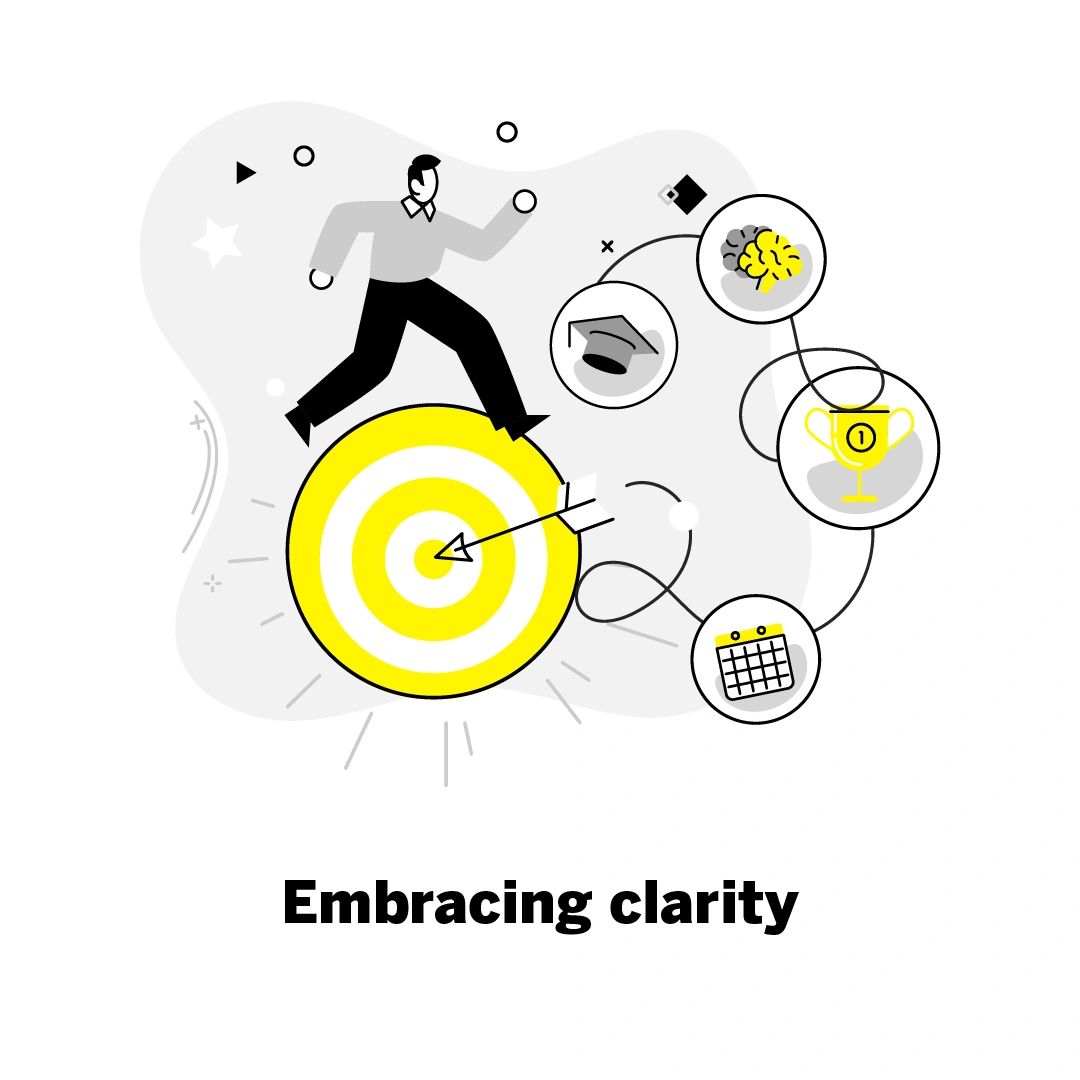
Simplifying information is crucial for ensuring understanding. Techniques like using plain language, providing clear examples, and chunking the content enhance clarity. Clear instructional content improves comprehension and helps learners apply the knowledge effectively.
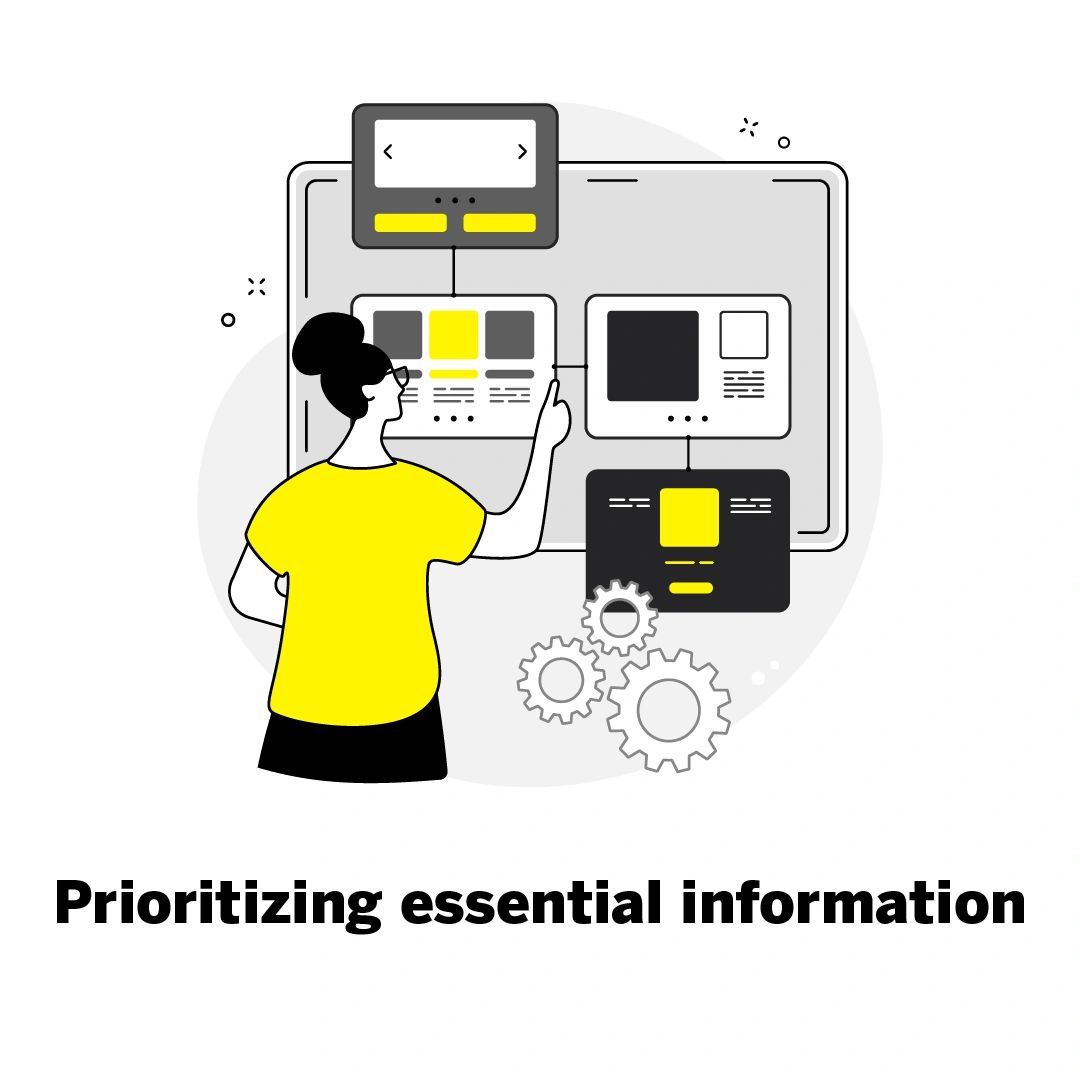
Differentiate between “need-to-know” (primary) information and “good-to-know” (secondary) information. For this, study the source content, map it to the learning outcomes, and identify the core concepts. You may also consult Subject Matter Experts (SMEs), analyze needs, and gather learner feedback.
Incorporating minimalist design principles in course visuals can enhance comprehension. Visuals should be used purposefully to support the content. Examples of effective use of visuals include using diagrams, charts, and infographics to illustrate concepts and using a consistent visual theme throughout the course.
Integrate interactive elements for active learning to maintain learner interest. Use quizzes, simulations, and games to enhance engagement while keeping content simple and easy to understand. Balancing simplicity with engagement ensures learners are motivated to complete the course.
Incorporating minimalism in eLearning design presents a fundamental challenge: ensuring that while content is streamlined, it remains comprehensive enough for learners to achieve the desired learning outcomes. This balance is critical, as minimalist design aims to simplify without compromising educational value. Achieving this balance requires careful consideration and strategic planning to determine the essential content for effective learning.
A final word
Minimalist course design enhances learning experiences by improving retention and comprehension among learners. By simplifying content, reducing cognitive load, and prioritizing clarity and engagement, minimalist design enhances the learning experience. At Constellar, we specialize in crafting minimalist eLearning solutions that optimize learning outcomes. Our expert team combines instructional design with innovative approaches, ensuring that your courses are effective and engaging. Contact us today to explore how our award-winning course designs can revolutionize your eLearning initiatives.
Let’s simplify learning and elevate engagement together!
We all have that one movie that left us spellbound, right? A great film offers valuable lessons and is like a tonic for the mind. Now, think about the world of learning–often, corporate training has been as exciting as watching paint dry. What if we could spice up things?
Lights, camera, eLearning action! Imagine learning that’s not a snooze-fest lecture but feels like stepping into an enthralling movie. That’s the essence of cinematic eLearning, where educational design borrows tricks from the movie world to captivate and educate. This ingenious fusion adds a splash of creativity to learning, transforming it into a more immersive and enjoyable experience. It’s like finding the perfect blend and combining the best of both worlds: movies and learning!
Cinematic eLearning offers unique and effective learning methods. Picture an interactive story where learners actively shape their learning paths with decisions, much like actors play movie roles. This engaging approach incorporates cinematic elements like characters, plots, and visuals. Additionally, it includes immersive scenarios and games that simulate real-life situations. Another technique involves using visual sequences to break down complex ideas step-by-step. These cinematic methods create engaging learning experiences, transforming lessons into memorable adventures.
Moreover, this approach significantly boosts learner engagement by utilizing film techniques such as dynamic visuals, sound effects, and relatable scenarios. Through storytelling in cinematic eLearning, an emotional connection is forged, allowing learners to connect with the subject matter deeply. This emotional engagement helps foster retention and comprehension, profoundly impacting the learning experience.
How can we truly bring together eLearning and cinema to create cinematic eLearning?
Visual storytelling: Cinematic techniques bring the power of visual storytelling to eLearning, transforming mundane subjects into compelling narratives. Educators can create a sense of immersion by incorporating elements like establishing shots, close-ups, and dynamic camera angles, making learners feel like they are part of a captivating story rather than simply consuming information.
Editing: Just as a skilled film editor shapes a movie’s pace and rhythm, eLearning designers utilize editing techniques to maintain a learner’s attention. Quick cuts, smooth transitions, and strategic pacing can keep the content dynamic, preventing boredom and promoting a seamless flow of information.
Sound design: Sound plays a crucial role in the cinematic experience, and eLearning is no exception. Incorporating background music, well-timed sound effects, and clear narration enhances the overall atmosphere and helps to convey information effectively. A carefully curated audio experience can elevate the learning process, making it more enjoyable and memorable.
Interactive elements and gamification: You might be aware of the novel concept of interactive movies—they boost engagement to a whole new level. This is another area where digital learning and cinema can learn from each other. Learning designers can turn the learning journey into an engaging adventure by introducing quizzes, simulations, and interactive scenarios-this also encourages active participation and knowledge retention.
Visual aesthetics and design: Cinematic techniques emphasize visual aesthetics, and this principle extends seamlessly to eLearning design. Thoughtful use of colors, fonts, and layout can enhance the overall look and feel of the educational content. Visual appeal captures attention and contributes to a positive learning experience.
Character development and personalization: Creating relatable characters in eLearning modules, much like in films, can enhance the learning experience. Introducing characters that learners can identify with, along with personalized scenarios and challenges, adds a human touch to the educational journey, making it more relatable and enjoyable.
The integration of cinematic eLearning depends on technological advancements and imaginative approaches. Progress in eLearning tools has simplified the creation of top-notch cinematic experiences. Within eLearning, film techniques like visual storytelling, dynamic editing, seamless scene transitions, and captivating soundtracks have become more accessible. Collaborative efforts among instructional designers, content creators, and multimedia specialists are crucial for effectively incorporating these film techniques. Together, they employ methods such as character development, storyline structuring, and creating compelling visuals to elevate the learning experience.
Yet, without careful consideration, there may be potential pitgalls. Placing too much emphasis on style rather than substance could divert attention from the learning goals. Striking a balance between entertainment and educational value becomes imperative. Moreover, grappling with technical intricacies and production costs poses challenges, necessitating meticulous planning and resource allocation.
Tackling these challenges demands a strategic approach. A thorough analysis of the audience helps customize cinematic elements to align with learners’ preferences and styles. Continual evaluation and feedback loops ensure that storytelling complements rather than overshadows the educational content. Prioritizing simplicity in design and utilizing existing resources effectively can alleviate production costs.
A final word
Cinematic eLearning stands as a promising frontier in reshaping instructional design. Its capacity to elevate engagement, retention, and overall learning experiences is unparalleled. By thoughtfully applying film techniques, eLearning transcends mere information delivery, transforming into an immersive journey. At Constellar Consulting, we specialize in pioneering eLearning solutions that harness the potency of cinematic techniques. Our adept team merges instructional design and multimedia production expertise, crafting compelling and impactful learning experiences. Contact us today to discover how our services can revolutionize your eLearning initiatives.
With cinematic eLearning, education takes a transformative leap, rendering learning an enthralling expedition. Let the immersive learning spectacle unfold as the curtains close and the lights dim!
Did you know? In the dynamic world of eLearning, assessments are more than just checkpoints; they play a crucial role in crafting the overall learning journey and experiences. Broadly, assessments fall into three categories:
When creating these assessments, it’s crucial to pinpoint what learners need to grasp, when to evaluate their growth, and how to gauge their learning dimensions. Here the:
‘What’ outlines the knowledge, skills, and attitudes we expect learners to acquire.
‘When’ strategically spans the learning timeline—from initial comprehension to mid-course progress, and finally, the conclusive impact assessment.
‘How’ embraces varied approaches, enabling learners to demonstrate their understanding in multiple ways, thus revealing the depth of their knowledge, skill proficiency, and learning attitude.
An effective assessment strategy aligns with learners’ needs, work objectives, and learning goals. It serves as a milestone to validate the acquisition of essential skills and knowledge. Here, one must distinguish between basic knowledge checks and comprehensive evaluations—basic checks assess essential understanding, while comprehensive evaluations measure applied knowledge and critical thinking.
Diverse formats, like scenario-based questions or visual aids, are vital for engagement and accommodating various learning styles. Further, clear instructions ensure learners understand expectations, and constructive feedback highlights strengths and areas for improvement. Additionally, accessibility and user-friendliness across devices are essential for an inclusive learning experience.
It is also essential to continuously improve assessments, guided by learner feedback and evolving educational content. Well-designed assessments validate learning and enhance the online education experience for adult learners.
Traditional assessment strategies often fall short in today’s digital learning landscape, as they tend to focus narrowly on rote memorization and standardized testing. This approach overlooks diverse learning styles and practical application skills and hinders genuine engagement and preparation for real-world challenges.
To revolutionize assessments, shift focus to learner-centric strategies, align them with clear objectives, and embrace innovative formats beyond conventional testing. In this article, we’ll explore interactive assessments and how they transform the learning experience, inspiring continuous growth. Join us as we uncover the power of assessments that foster a transformative journey.
Virtual reality skill assessments: Stepping into a virtual classroom
Think about it as wearing a virtual reality headset and entering a simulated environment tailored to the course. Virtual reality skill assessments allow one to demonstrate specific skills in an immersive setting, from conducting virtual surgeries in medical training to navigating lifelike business scenarios. For instance, learners can experience a virtual internship, applying their knowledge in a simulated work environment to tackle relevant tasks and challenges.
Online simulations and role-playing: Learning by doing
Move beyond traditional assessments with online simulations and role-playing. These exercises immerse the audience in realistic situations, challenging them to make decisions and solve problems relevant to the course content. This approach transforms learning into an interactive experience and encourages collaborative problem-solving and exposure to various perspectives.
Multimedia project portfolios: Expressing information creatively
Replace standard written assignments with multimedia project portfolios. Here, you creatively use videos, presentations, and infographics to demonstrate how well learners grasp the material. This approach showcases knowledge through diverse and visually engaging formats that reflect individuality.
Gamified assessments: Engaging the inner gamer
You might know that incorporating game elements into assessments elevates the learning experience. With branching scenarios where choices lead to different outcomes, these assessments offer a dynamic and enjoyable way to evaluate your understanding. They’re educational and engaging, making learning a fun experience.
Microlearning quizzes: Applying recent knowledge
Microlearning quizzes followed by immediate application tasks ensure knowledge is acquired and applied. These quick assessments reinforce learning and encourage practical application, enhancing retention and understanding.
Adaptive learning paths: Tailoring to learner needs
You might know that assessments, like other course elements, can be customized based on learner performance. That’s the power of adaptive learning paths. As you progress, the system adjusts the difficulty and content and offers a learning experience uniquely suited to learners’ evolving skills and knowledge levels.
Peer review and collaboration: Learning through feedback
Incorporate peer review and collaborative assessments where learners evaluate each other’s work and provide feedback. This technique fosters critical thinking, communication skills, and a deeper understanding of the subject matter as learners engage with diverse viewpoints and approaches.
A final word
By revolutionizing assessments, you can significantly enrich the eLearning experience. By embracing innovative techniques like virtual reality assessments, gamified challenges, and adaptive learning paths, L&D professionals can transform Next-Gen Learning. These dynamic methods do more than measure knowledge; they inspire it and turn assessments into a journey of discovery and growth.
At Constellar, we believe an effective assessment should be a gateway to deeper understanding, not just a checkpoint. By partnering with Constellar, L&D professionals can take charge in this transformative era and ensure that these assessments are a powerful tool for insightful learning.
Let’s not just change how we assess but how we think about assessment. Take a look at our work portfolio and join us at Constellar, so that together, we can redefine the learning landscape one revolutionary assessment at a time.
Do you remember taking an online learning course that you really loved and remembered for a long time? It was likely created by Learning Experience (LX) or Instructional Designers (IDs) who infused it with the magic of eLearning design. Let’s learn more about some amazing design techniques for digitally enabled learning.
What is eLearning design?
eLearning design can be defined as the skill of creating engaging and effective learning experiences. It involves using technology to deliver educational content in a way that captivates learners, stimulates their curiosity, and facilitates their understanding. From interactive videos and quizzes to discussion forums and virtual classrooms, various tools and techniques are employed to make learning engaging and accessible. Whether it’s improving employee skills, enhancing student outcomes, or democratizing access to education, eLearning can transform employees and drivepositive change.
In this article, we’ll explore five key practices to master eLearning design, empowering you to create impactful learning experiences in the digital age.
5 key practices to master eLearning design:
Before you start creating an eLearning course, it’s crucial to set clear goals for what you want learners to accomplish. Think of it like setting a destination on a map before you start a journey. These goals or learning objectives should be specific, so that learners know exactly what they’re working towards. They should also be measurable, so you can track progress along the way. And most importantly, they should be achievable, encouraging learners to reach them. Also, by defining learning objectives upfront, you create a roadmap that guides the course design process and ensures that everything in the course is focused on helping learners succeed.
Imagine trying to eat a giant sandwich in one bite – it’s just too much! Similarly, it is important for you to curate learning content such that the learners can consume it in bits and pieces. Bombarding learners with information can result in them having both a cognitive and sensory overload, especially in this day and age when social media has affected our attention spans and content retention. To avoid content overload, divide complex topics into smaller parts. Simplifying and relating concepts ensures that everyone, regardless of background or experience, can understand the content easily.
Imagine if you were trying to join a fun game, but the door was too narrow for you to fit through – that wouldn’t be fair, right? Well, it’s the same with eLearning courses. We need to make sure everyone, irrespective of their abilities (or the lack thereof) can join in and learn. So, how do we do that? We can ensure accessibility for all by providing clear text, captioning, descriptive visual elements, mouse-independent navigation, concise content, diverse content types, inclusive language and mindset, and compatible LMS features.
Incorporating interactivity into eLearning is essential for keeping learners engaged and facilitating effective learning. There are various ways to make courses interactive. Interactive quizzes allow learners to test their understanding through questions and answers and provide an interactive way to engage with the content. Interactive videos take this engagement further by enabling learners to click on elements or answer questions while watching, making the learning experience more immersive. Similarly, drag-and-drop activities encourage hands-on learning as learners manipulate objects on the screen. Simulations offer realistic scenarios for exploration and learning, while games introduce an element of fun and competition, keeping learners motivated and engaged. By incorporating these interactive elements, eLearning designers enhance comprehension and retention.
Once you’ve deployed your eLearning course, the job isn’t done. It’s essential to continually enhance the course based on valuable feedback. But where does this feedback come from? It’s crucial to gather insights from learners after the course launch. This can be achieved through various means, such as direct communication with learners to understand their experiences and preferences. Additionally, seeking input from instructors or subject matter experts can provide valuable perspectives on the course’s effectiveness. Analyzing course data, including learner engagement metrics and quiz performance, offers quantitative insights into areas for improvement. By using a combination of these methods, instructional designers can consistently refine the course to better meet the audience’s needs.
A final word
As you reflect on the practices discussed in this article, remember that you have the power to unlock a world of limitless learning potential. By applying these strategies, you’re not just creating courses, but crafting experiences that inspire, empower, and transform. Seize the opportunity to innovate, connect, and ignite curiosity in every learner.
At Constellar, we’re dedicated to pioneering eLearning designs and embracing new challenges. Our customized courses cater to diverse learners, ensuring impactful learning experiences. Reach out to us today for a personalized eLearning plan, and let’s elevate your learning initiatives.
Sources:
Who doesn’t like stories? From childhood favorites that whisked us away to distant lands and enchanted forests to the narratives that echo through generations, storytelling is a universal language that transcends age and time. This ancient art can be a true game-changer in the world of digitally-enabled learning or eLearning.
Strategic advantages of storytelling in eLearning
Storytelling in e-learning is a potent technique that goes beyond the mere transfer of information; it immerses learners within narratives, creating emotional connections and significantly bolstering their ability to retain knowledge. Consider a biology module where the traditional approach involves presenting a list of scientific facts about ecosystems. Instead, an eLearning course might ingeniously weave these facts into a captivating story about an ecosystem grappling with challenges induced by climate change. This narrative approach seamlessly blends scientific concepts with storytelling, engaging learners in an enthralling journey and elucidating complex ideas like ecological balance in a vivid and relatable context.
The mnemonic impact of storytelling is a cornerstone of its efficacy in eLearning. Picture a cybersecurity training program using storytelling to illustrate real-life cyber-attack scenarios. Through the lens of a fictional character navigating potential cyber threats, learners absorb the information more effectively and develop a profound understanding of cybersecurity protocols and vulnerabilities. These narratives’ emotional investment and immersive nature heighten the retention and application of acquired knowledge.
Implementing storytelling in eLearning
Furthermore, storytelling in eLearning doesn’t merely inform; it actively engages learners by presenting decision-making scenarios. Imagine a business management course where an eLearning module simulates a scenario placing learners in the shoes of a CEO, navigating critical decisions during a crisis. This interactive narrative approach prompts learners to apply their knowledge, fostering critical thinking and honing problem-solving skills within a simulated real-world context. Learners are compelled to make choices, face consequences, and learn through experiential engagement.
This versatile tool seamlessly integrates into diverse instructional designs, catering to various fields of education. For example, interactive storytelling videos immerse learners in authentic conversations or cultural scenarios in language learning, facilitating language acquisition through contextual understanding. Likewise, simulations in healthcare education present medical case studies as compelling narratives, enabling students to bridge theoretical knowledge with practical patient care situations and enhancing their clinical decision-making skills.
Using scenarios, case studies, simulations, and interactive videos, eLearning storytelling creates immersive learning experiences that match predefined learning goals. This method ensures learners absorb, retain, and apply information effectively in real-world scenarios. The fusion of storytelling with eLearning transcends conventional teaching methods, enriching educational experiences by nurturing deeper comprehension, emotional engagement, and practical application of knowledge.
A final word
For those looking to harness the potential of storytelling in eLearning, Constellar Consulting stands as a beacon of expertise. With a deep understanding of instructional design and a mastery of storytelling techniques, we craft immersive and compelling learning experiences that resonate with learners. Feel free to connect with us today to begin an amazing L&D journey.
All in all, storytelling in eLearning transcends conventional instructional methods, transforming learning into an immersive and captivating journey. The artful integration of narratives empowers learners, making educational pursuits a thrilling and memorable expedition.
If you are ready to elevate your eLearning initiatives with the transformative power of storytelling, contact us today to unlock the potential of narratives in your learning strategies. Discover how storytelling can redefine your educational odyssey.

Imagine a workplace where everyone feels valued, respected, and included, regardless of background, beliefs, or identity. That’s the vision behind Diversity, Equity, and Inclusion (DEI) culture—a vision more critical now than ever before.
But DEI isn’t just another buzzword for compliance and PR. Research increasingly shows its positive impact on profitability, earnings, and value creation. A 2017 McKinsey & Company study revealed that companies with highly diverse executive teams are 33% more likely to achieve higher profitability than their peers.1 Similarly, among the top-quartile companies worldwide, those with gender diversity at the executive level had a 21% higher chance of outperforming industry competitors in terms of Earnings before interest and taxes (EBIT) margin and a 27% higher chance in value creation.
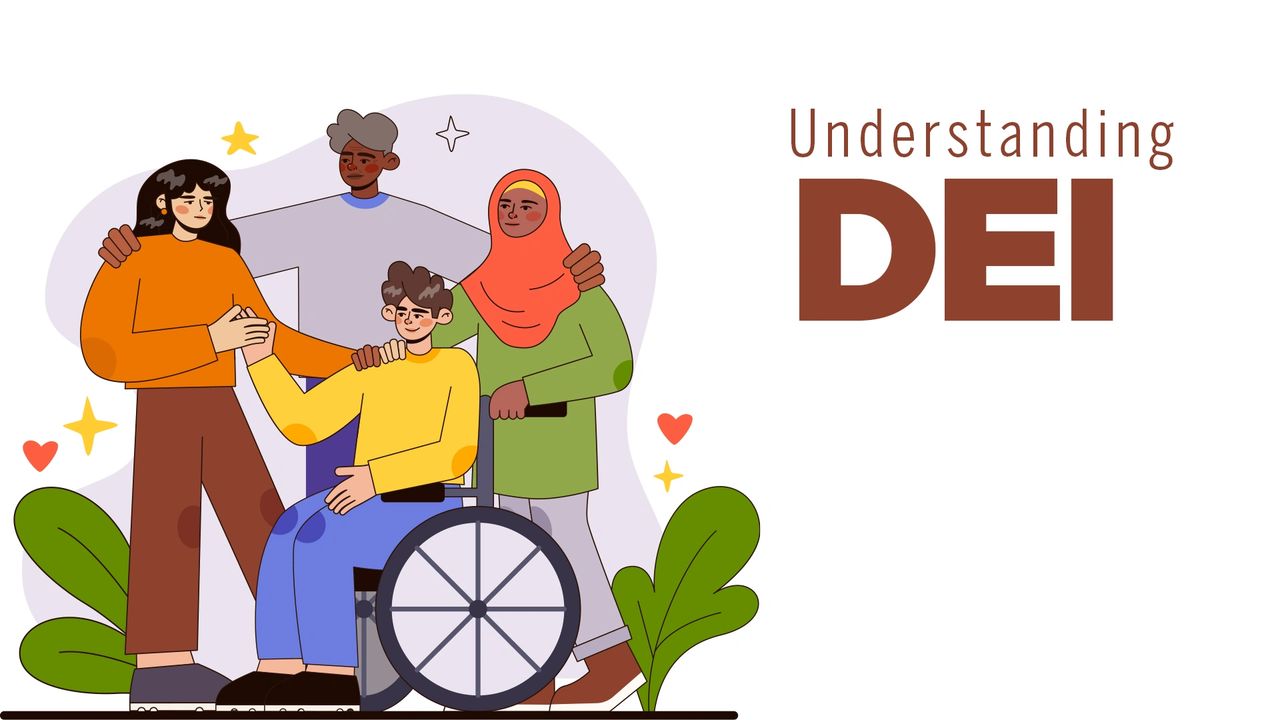
In an organizational context, diversity signifies the presence of various and unique characteristics among employees, such as race, ethnicity, gender, age, religion, disability, sexual orientation, education, and national origin. Equity entails ensuring fair treatment, access, opportunity, and advancement for all individuals by identifying and removing barriers that hinder the full participation of certain groups. Inclusion involves creating an environment where everyone feels valued, respected and can contribute their best. These principles foster a culture of belonging, where every employee is valued and integral to the organization’s mission. Individual differences are seen as strengths that contribute to the organization’s success.
Organizations implement several strategies to promote DEI. These include developing DEI-oriented leadership commitment, feedback and communication, and recruitment and hiring. However, one of the most crucial strategies is effective DEI training, which raises awareness about biases, promotes empathy and understanding and empowers individuals to challenge discrimination. Training is essential for creating a workplace culture that embraces diversity, ensures equity, promotes inclusion, and fosters a sense of belonging among all employees. Moreover, many countries have regulatory requirements, including the U.S., where federal contractors must conduct DEI training to uphold fair employment practices and prevent discrimination.
You can take advantage of existing DEI training programs in your company to design practical training. If you are looking to enhance, update, or customize legacy content, you may wish to consult with a dependable Learning and Development (L&D) services provider who can understand your business and training needs and provide added expertise. Constellar Consulting is one such organization that can be your go-to for all your training requirements, especially related to DEI. Check out our portfolio to see the quality and coverage of our work.
At Constellar, we offer a range of specialized DEI training solutions tailored to meet your organization’s specific needs. Whether your L&D team wants to enhance existing content or needs a complete curriculum developed from scratch, we’ve got you covered. Our services include:
Customized online modules: Crafted to align with your organizational goals and culture, our e-learning modules focus on Diversity, Equity, Inclusion, and Belonging (DEIB). We can, for instance, design an inclusive leadership module to guide managers in fostering an inclusive team culture.
Interactive multimedia content: Engaging videos, infographics, and presentations vividly illustrate DEI concepts. For example, we can have an “Understanding Unconscious Bias” video series featuring diverse employees sharing their experiences.
Adaptive learning paths: Tailored to various organizational roles, these paths ensure targeted DEIB training. We can create a path for HR personnel on “Diverse Recruitment Strategies,” while managers can benefit from “Leading Inclusive Teams.”
Microlearning modules: Bite-sized modules deliver concise DEI content for quick access and understanding. For example, a mini-module on cultural sensitivity in global collaboration would be ideal for employees in international teams.
Case studies and simulations: Realistic scenarios and case studies foster critical thinking and problem-solving. For instance, a scenario on managing diversity conflict in project teams can provide practical insights.
Gamification: Incorporating game-like elements into DEI learning can significantly boost engagement. Employees can earn badges upon completing modules on diversity-related topics. These achievements can be showcased on the Learning Management System (LMS) and utilized as valuable data points for recognizing employee efforts and contributions.
Learning assessments and surveys: Assessments measure knowledge retention, while surveys gather feedback on DEI training effectiveness. For example, a pre-training assessment on “Understanding Diversity” and a post-training survey can provide valuable insights.
DEI learning design at Constellar: Our consultancy services assist in integrating DEI principles into existing training structures, ensuring a seamless transition and effective implementation.
Remember, if your L&D team needs additional content or content augmentation, Constellar will always curate and develop the content for you.
To wrap it up
At Constellar, we understand that true organizational success lies in cultivating an inclusive culture. Through our unwavering commitment to crafting tailored DEI training, we aim to educate and ignite transformation, paving the way toward a more equitable and welcoming workplace for all. Reach out to us today to embark on a fantastic learning journey together.
Sources:
Delivering through diversity, January 18, 2018 | Report–McKinsey and Company
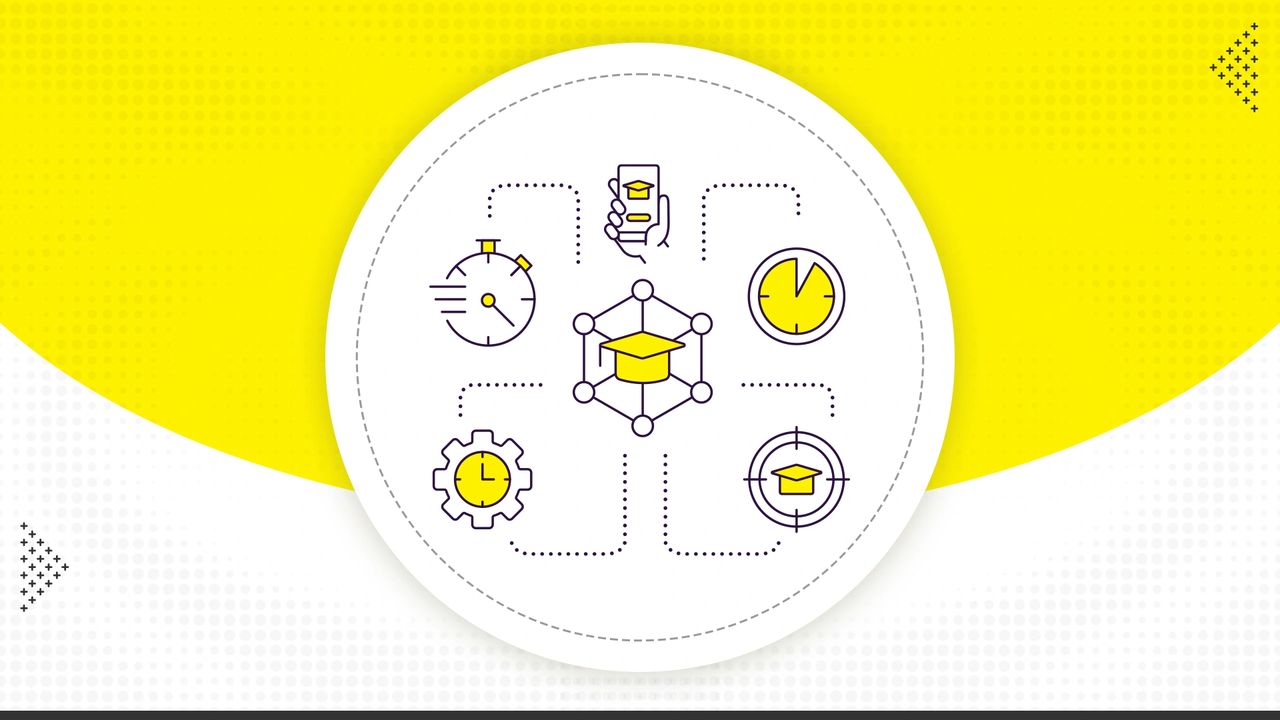
Microlearning is one of the most exciting and effective instructional strategies employed for learning design. This approach creates small, bite-sized lessons or chunks of information, intending to maximize retention and engagement in learners. Microlearning gives you easily digestible information or knowledge through crisp and precise videos, quizzes, and interactive lessons spanning seconds to minutes.
In this article, let’s explore the benefits of microlearning and some design considerations for designing impactful compact learning modules.
Microlearning can be a smart learning approach as it helps in:
Enhanced retention: Microlearning uses the psychological principle of “spaced repetition,” whereby learners are exposed to the same information multiple times in a given period; this helps strengthen their memory. Also, the conciseness of microlessons makes it easier for learners to review and grasp content, increasing the chances of retention.
Engagement: Bite-sized lessons are designed to be engaging and interactive – games, puzzles, and multimedia features can be easily integrated to increase engagement. Microlearning’s short duration minimizes learner exhaustion by presenting content in manageable units, reducing the risk of overwhelming individuals with extensive information in one session.
Directed learning: Microlearning allows organizations to focus on specific learning needs or performance gaps. Learners can access the lesson content relevant to their immediate challenges, which results in more effective proficiency development.
Accessibility: Microlearning is accessible across various devices, allowing learners to engage effortlessly with the content. This flexibility facilitates self-paced and just-in-time learning.
Cost-effectiveness: Developing and delivering microlearning modules tends to be more cost-effective than traditional training methods, as it reduces the need for lengthy, resource-intensive training sessions.
To design impactful microlearning modules, it’s essential to follow some key design principles and best practices:
Defining clear objectives: Clear and direct learning objectives for each microlesson form the foundation of a robust microlearning module.
Using engaging multimedia: A microlearning lesson builds interest by integrating multimedia features such as videos, infographics, quizzes, and puzzles, catering to diverse learning styles.
Ensuring accessibility: A crucial aspect of microlearning involves ensuring easy accessibility and navigability across diverse devices.
Progressing structure: A well-structured learning path with a gradual increase in intricacy and complexity aids in retaining previously acquired knowledge. This progressive approach contributes to achieving a deeper understanding of the content.
Interacting elements: Creating the desired learning experience involves integrating interactive elements such as quizzes, puzzles, simulations, or prompts.
Applying practically: Microlessons are absorbed more effectively when linked to real-world scenarios, rendering the content more relevant and directly applicable to your learning experiences.
Despite its advantages, microlearning also presents specific challenges worth considering:
Limited depth: Microlearning’s brevity might limit the exploration of complex lessons, offering only a surface-level understanding.
Complexity challenges: Effectively communicating intricate or interconnected concepts can be challenging, rendering microlearning less suitable for in-depth topics.
To overcome these limitations, consider enhancing depth by adding relevant resources to the modules. Also, strategically organizingmodules can help better understand complex and interconnected concepts.
A final word
Microlearning isn’t a one-size-fits-all solution, yet its strategic design and implementation greatly improve your learning experience. Following design principles and using the benefits of bite-sized lessons create a well-structured, tailored approach to meeting individual needs. Including engaging multimedia and personalized experiences strengthens this compact, impactful learning journey, suggesting a responsive, dynamic future of education aligned with evolving learning demands.
If you’re looking for an external partner for eLearning solutions, we suggest you consider Constellar Consulting, a specialized content creator. Our expertise lies in creating customized, high-end videos and learning modules that perfectly align with your L&D goals and requirements. Reach out today to initiate collaboration and embark on a fabulous learning experience journey.
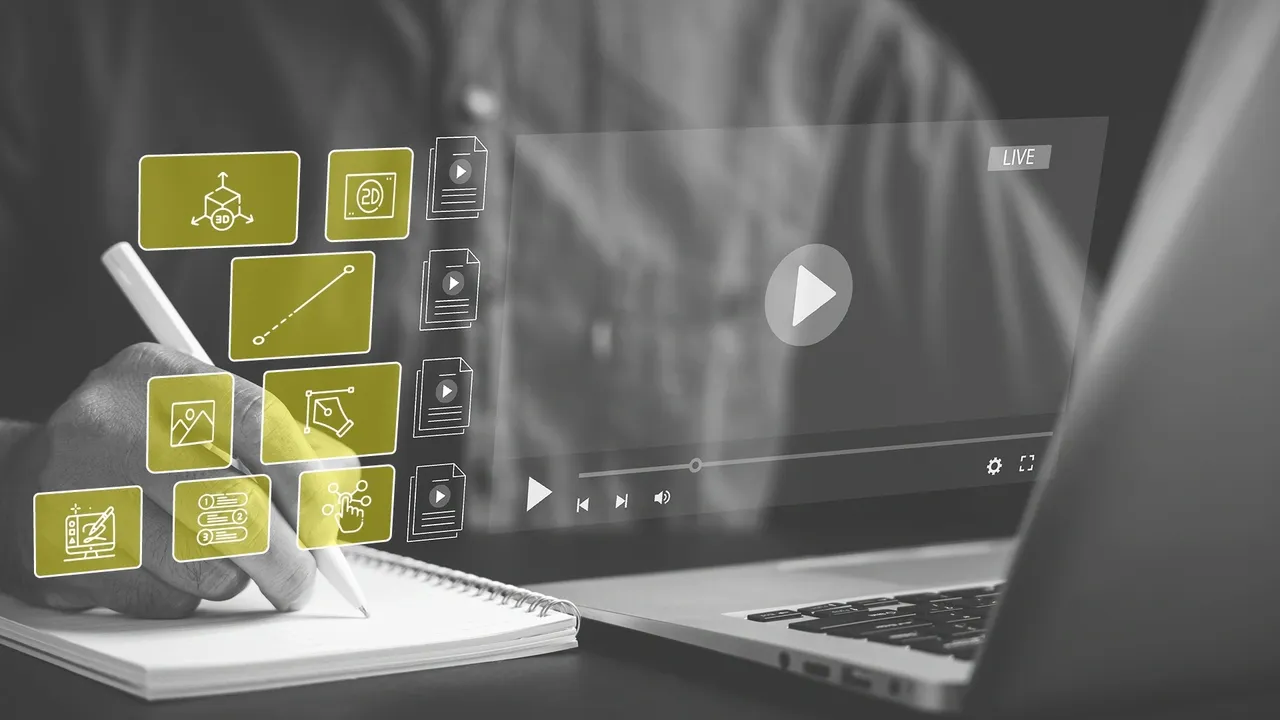
In video-based learning, using graphical elements strategically is vital to engage learners and ensure effective training. Choosing the right visuals involves making thoughtful decisions with technical expertise.
But how do you do that? You could start by exploring different graphic styles and their ideal uses. In this article, we’ll explore seven amazing graphics types you can use to create videos. Here we go:
3D Animation
3D animation takes you on immersive journeys through realistic environments and objects. It’s the go-to choice for subjects that demand a deep understanding of spatial relationships, such as engineering, architecture, and medical training. Leveraging principles of 3D modeling, texturing, rigging, and animation, this style draws from the real world to create engaging experiences. Crafting 3D animations requires specialized software like Autodesk Maya or Blender, with interactive elements often built using WebGL (Web Graphics Library) or Unity for online platforms.
Line Art
Line art simplifies complex ideas using clean lines and shapes, especially in fields like math, architecture, and engineering. It’s great for diagrams and can be produced using software like Adobe Illustrator or Inkscape. With vector-based tools and CAD (computer-aided design), modern digital line art can give you high-quality, precise, and scalable visuals.

Still pictures High-quality still pictures can evoke emotions, illustrate historical events, and make content relatable. Advancing digital photography tools and techniques are contributing to their widespread use. Stock image platforms like Adobe Stock, Shutterstock, iStock, Pexels, and Unsplash provide thousands of still pictures.

Vectors Vector images often manifest as icons, buttons, infographics, and design elements, ensuring a consistent, sharp visual experience. Vector graphics are pictures that leverage mathematical principles, providing perfect scalability, precise details, and efficient storage. Tools like Adobe Illustrator and sites like Flaticon, Freepik, and Iconfinder make creating and finding these images easy.
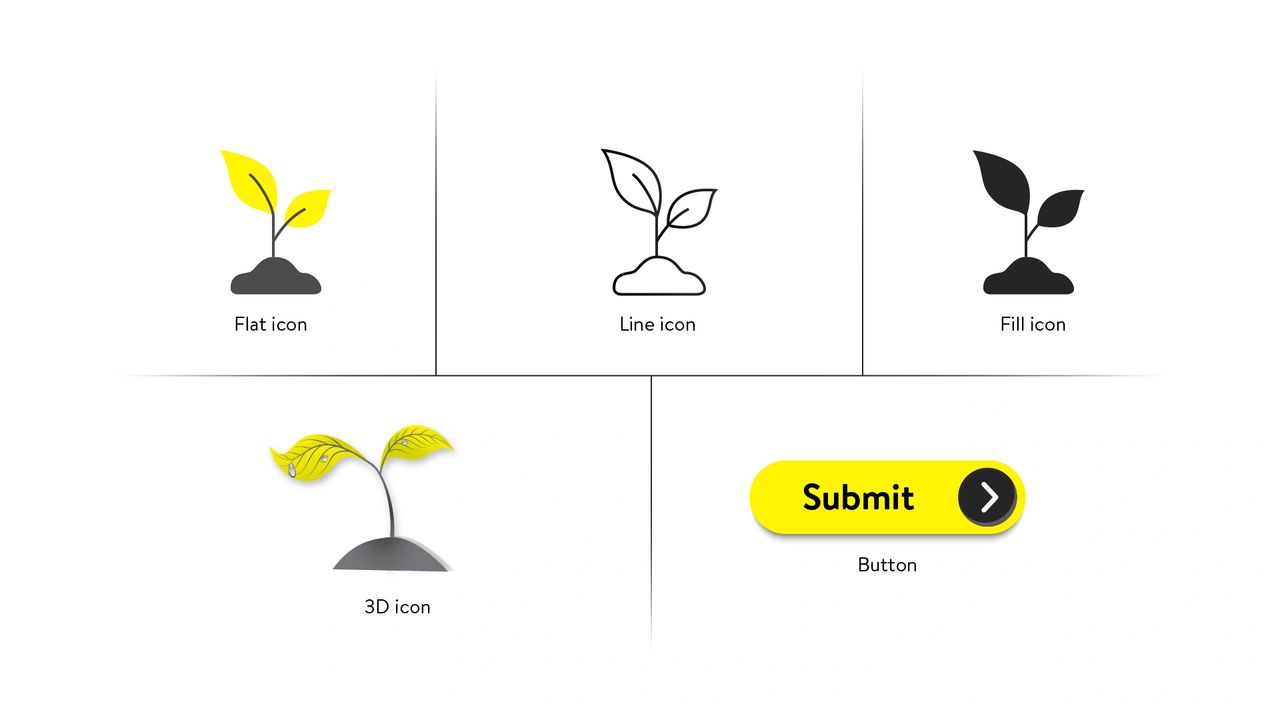
Illustrations Custom illustrations, like unique strokes of artistry, captivate your attention while conveying complex ideas. These handcrafted visuals are often used in storytelling and courses aimed at younger audiences. Created by professional artists using tools like Adobe Illustrator, Adobe Photoshop, or Procreate, custom illustrations integrate seamlessly into your eLearning platform.

Infographics Infographics condense data and concepts and provide information in a way that’s easy to use and relate to. Developed with a focus on effective data communication and visual hierarchy, they draw from principles of information design and data visualization. Tools like Adobe Illustrator and Canva help create infographics.

Interactive Simulations Interactive simulations encourage critical thinking and are great for practical subjects. They draw from principles of experiential learning and constructivism and engage you in decision-making. Platforms like Unity and HTML5 make it easy to create them. Apart from the above-mentioned graphic types, you could use video snippets as needed. Look up stock videos, just like stock photos, or create small videos using Adobe After Effects and similar tools.
To wrap it up
Using 3D animation, line art, pictures, vectors, illustrations, infographics, and interactive simulations are different ways to make great eLearning videos. However, it’s essential to choose these graphics carefully. They should match the visual style, guidelines, learning goals, audience, and topic. Also, consider the budget, time, skills, and tools available for development.
If you need an external eLearning services provider for video creation, we suggest you consider a specialist custom content creator like Constellar. At Constellar, we specialize in crafting custom, high-quality videos and other materials tailored to meet your Learning and Development (L&D) goals. Get in touch with us today to start working together for a fantastic learning experience.
References

You’ve done your homework – internal business and training needs analysis – and now the big question: How to address the training need and achieve the L&D business objective? You know that training can be offered to employees entirely in-person (in a physical set-up) or partially or completely online (enabled by technology). You are quite sure you want to leverage the power of technology for your training needs and are familiar with some of the terminology and dynamics. Also, you know that each type of offering has its pros and cons. So, which one do you choose? Maybe you reach out to a trusted L&D consultant and services provider for help …
… this upcoming one-stop destination for all your training and development needs listens to you and understands your problem …
… and coming to us …
… as part of our consulting strategy, let’s dive deeper and review the common technology-enabled learning modalities. We hope this analysis helps you make an informed business decision. Here we go!
1. Basic eLearning
This modality involves bare-minimum learner interaction and follows a basic visual and functional design. It tends to be driven by on-screen text (OST); audio, if provided, may be machine-generated, secondary, and/or verbatim with the OST. Imagery may be skipped altogether, utilize run-of-the-mill stock imagery, or use visual assets by the Subject Matter Expert “as-is”. Knowledge checks, if included, comprise single-select multiple-choice questions (MCQs) interspersed in the courseware. Max, a simple assessment may be provided at the end of the topic.
Though stereotyped as “monotonous page-turners” or “PPT-ish”, basic eLearning, if designed smartly, can be effective in creating subject awareness. Importantly, this modality is easy to design and can be delivered relatively quickly. In other words, it is a budget-effective learning solution that can give a good Return on Investment (ROI), especially if backed up by solid offline learning/peer support.
2. Advanced eLearning
This delivery type involves greater learner interaction (possible interactivities could include dragging-and-dropping visual elements or even scribbling) and often features customized visual and functional design. It is primarily driven by audio and commonly utilizes professional voiceover, sound effects, and (if need be) music as well. OST is meant to support voiceover audio and is used strategically and concisely. Imagery can consist of stock images or assets provided by the SME, but image editing is often included for value addition. Knowledge checks and assessments/quizzes can be more complex and allow the system to assess higher levels of learning.
Advanced eLearning is more than just a sophisticated form of basic eLearning. For example, learners can be challenged on their problem-solving, decision-making, and on-the-job skills by presenting scenarios, stories, or software simulations related to their field of work (the subject of training). This makes eLearning a great choice for moderate L&D budgets for honing your employees’ personal and professional skills.
3. Gamified eLearning
“All work and no play makes Jack a dull boy (or in our case, an unproductive employee)!” Research increasingly suggests that learning is much more effective when combined with fun activities, such as those offered by games.1 Accordingly, eLearning vendors are leveraging employees #love for learning by offering gamified eLearning solutions. These solutions are realized by incorporating common game elements that include the game storyline or context, rules and consequences, characters/avatars, points, badges, levels, hints, and so on, all centered around the subject of training. Constellar Consulting seeks to address learner engagement by offering gamified eLearning solutions that are rich in visual and functional experience, mirror real-world job scenarios, and are learner-friendly.
Based on your requirements, a stellar L&D consultant/services provider might offer you either a partially gamified or game-based eLearning solution. The difference is that while gamified experiences utilize some game elements (such as gamified quizzes), game-based experiences are oriented around an actual game (the level/method of gamification, of course, depends on the learning need, content type, and learning requirement). Gamified eLearning solutions typically involve full customization and might involve multiple iterations before final delivery. This makes it a more expensive option – but again, let’s remember that it is one of the most effective ones around, especially for teaching practical skills, decision-making, problem-solving, etc.
4. Interactive PDFs or iPDFs Interactive PDFs (or iPDFs) leverage the best of both worlds – the universal accessibility of PDFs, along with interactive elements such as buttons, hyperlinks, embedded audio or video files, drop-downs, checkboxes, etc. iPDFs are designed in a visually appealing way as part of value-addition. iPDFs provide a ready reference to learners and are a great option for presenting secondary learning content (for example, Do’s and Don’ts) in an engaging way, especially if the primary content is presented as eLearning.
5. Learning video “Animation can explain whatever the mind of man can conceive. This facility makes it the most versatile and explicit means of communication yet devised for quick mass appreciation.” ― Walt Disney There simply is no denying that videos are an excellent means to grab the audience’s attention. If well-designed, your learners will love them. Period!
Learning videos feature either photographic or illustrated images (caricatures), often accompanied by supporting computer-generated motion graphics and typographic text. Sound effects and music may supplement the voiceover audio for an impressive learning experience.
As they need specialized image and video-editing tools, learning videos tend to be costlier compared to an equivalent duration of eLearning, but less costly than gamified solutions. If you have a reasonably big (medium) L&D budget), videos are the way to go!
6. Learning infographics
Infographics condense critical information and present facts and figures in a visually appealing and organized way. They can be printed and offered as ready-reckoner handouts or quick-fix learning aids for additional learning. Learning infographics go well along with other training modalities, such as advanced or gamified eLearning or even VILTs or blended training, and are a great low-cost option. Your eLearning vendor may even provide complimentary learning infographics along with their main offering.
7. Virtual Instructor-Led Training (VILT)
With many organizations adopting a hybrid work model, the need for VILT or webinar has risen. This is typically conducted via conferencing/group calling software such as MS Teams or Zoom. VILT often includes activities that increase engagement: icebreakers, games, audio and videos, polls, breakout rooms, surveys, infographics, discussions, QA sessions, quizzes, downloadable handouts (refer to iPDFs and Learning infographic sections), and so on… This is a good group medium-to-high-budget training option for your remote workforce as it enables synchronous training, allows you to monitor and mentor learners in real-time, and encourages them to collaborate for problem-solving, design thinking, and other training needs.
8. Learning apps These days learning apps are commonly being used for learning as an easily accessible option for on-the-go learning. You might be familiar with Duolingo, a famous app that helps people learn a new language. This modality can connect with Millennials, facilitates course completion, and is good for in-built performance support. Through their dynamic learning experience, learning apps are an effective training modality. It is however to be noted that as they involve custom development, the budgetary requirements tend to be on the higher side.
9. Augmented Reality (AR)/Virtual Reality (VR)
You might be familiar with Augmented Reality (AR)/Virtual Reality (VR) and their increasing business use cases. Goes without saying, that they are an upcoming learning modality too. AR and VR offer a much greater degree of user immersion and are great for teaching learners practical skills (and those who prefer tactile/kinesthetic learning) such as working with objects or stimulating challenging scenarios such as dousing a fire or performing surgery. As AR and VR take the experience to the next level – they are a fabulous option if you are looking to offer your learners something unique. One must, however, be mindful that developing this training requires special expertise, along with specialized tools for development and end-use. Needless to say, they require a huge budget, which explains its low adoption rate as of today. However, with advancing technology, one can say that AR and VR could be the future of corporate training.
Conclusion: Hope this will help you make up your mind and go with the most suitable learning modality. As always, Constellar is your one-stop destination for all training and development-related needs. Feel free to reach out and book an appointment to view samples of our top-notch L&D consulting and services.
References:
1. Integrating gamification and instructional design to enhance the usability of online learning